Thailand Turns Energy Crisis into Green Opportunity with 400-Billion-Baht Transition Plan

With a major constitutional hurdle cleared, the Anutin administration’s landmark emergency decree is set to funnel billions into restructuring the nation's grid and securing long-term economic resilience.
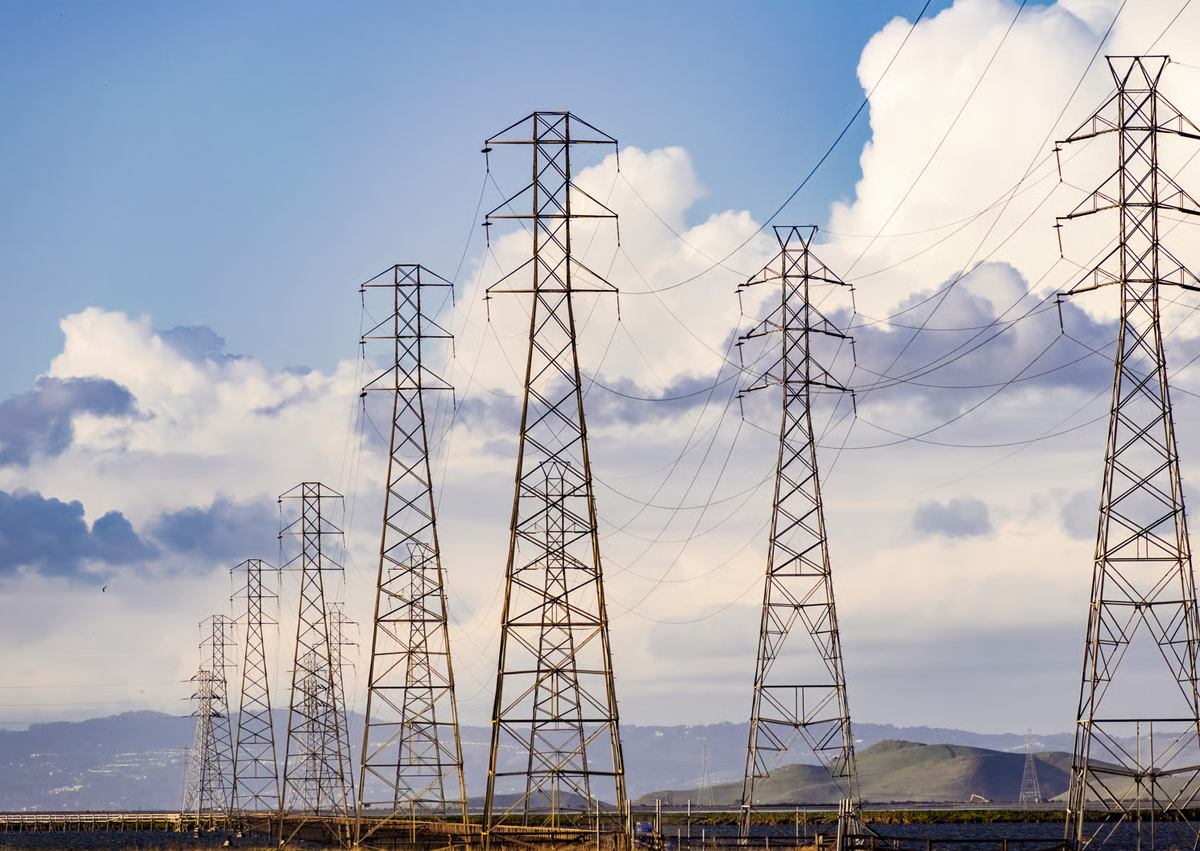
What began as a defensive response to a global energy supply shock is rapidly turning into Thailand’s most ambitious economic transformation in decades. Following a major legal victory, the government of Prime Minister Anutin Charnvirakul is poised to leverage a 400-billion-baht (approximately 12.2 billion US dollars) borrowing plan to systematically pivot the country away from fossil fuels and toward a sustainable, green economy.
For a nation that imports over 90 per cent of its crude oil and generates up to 68 per cent of its electricity from natural gas, geopolitical volatility in the Middle East has long posed an existential threat. Disruptions in the Strait of Hormuz—a crucial chokepoint handling a fifth of global petroleum liquid shipments—pushed crude prices above 100 dollars a barrel earlier this year.
The resulting domestic economic fallout was swift: inflation reached a 38-month peak of 3.89 per cent in May 2026, and experts warned that prolonged energy shocks could reduce GDP growth to around 1.3 per cent.
Rather than relying solely on temporary subsidies to weather the storm, the Anutin administration chose structural reform, utilising an emergency decree to initiate a sweeping energy overhaul.
Clearing the Constitutional Hurdle
The centrepiece of this strategy is a landmark emergency decree first signed on 9 May 2026, which authorised the Ministry of Finance to raise up to 400 billion baht.
While the decree went into effect immediately upon publication in the Royal Gazette, it faced a severe challenge when a group of 133 opposition MPs petitioned the Constitutional Court. They argued that using an emergency decree to borrow money for long-term projects bypassed normal parliamentary scrutiny and violated strict budget rules.
That cloud of legal uncertainty has now been decisively cleared. On 9 July 2026, the Constitutional Court delivered a definitive ruling. A unanimous 9-0 decision confirmed that the emergency borrowing to address the immediate energy crisis did not violate the constitution. Meanwhile, a 7-2 majority verdict greenlit the controversial second portion of the bill, ruling that borrowing to fund the green energy transition was also constitutionally sound.
Following the court's ruling, the government is now able to proceed with domestic fundraising, insulated from foreign exchange risks thanks to over one trillion baht in excess liquidity currently sitting in the Thai banking system.
Dual-Tranche Strategy: Relief Today, Transition Tomorrow
The 400 billion baht is structured into two equal, highly targeted tranches.
The first tranche of 200 billion baht is dedicated to immediate relief. This includes household electricity subsidies for those consuming up to 200 units, alongside measures to ease operational costs for small and medium-sized businesses during the crisis.
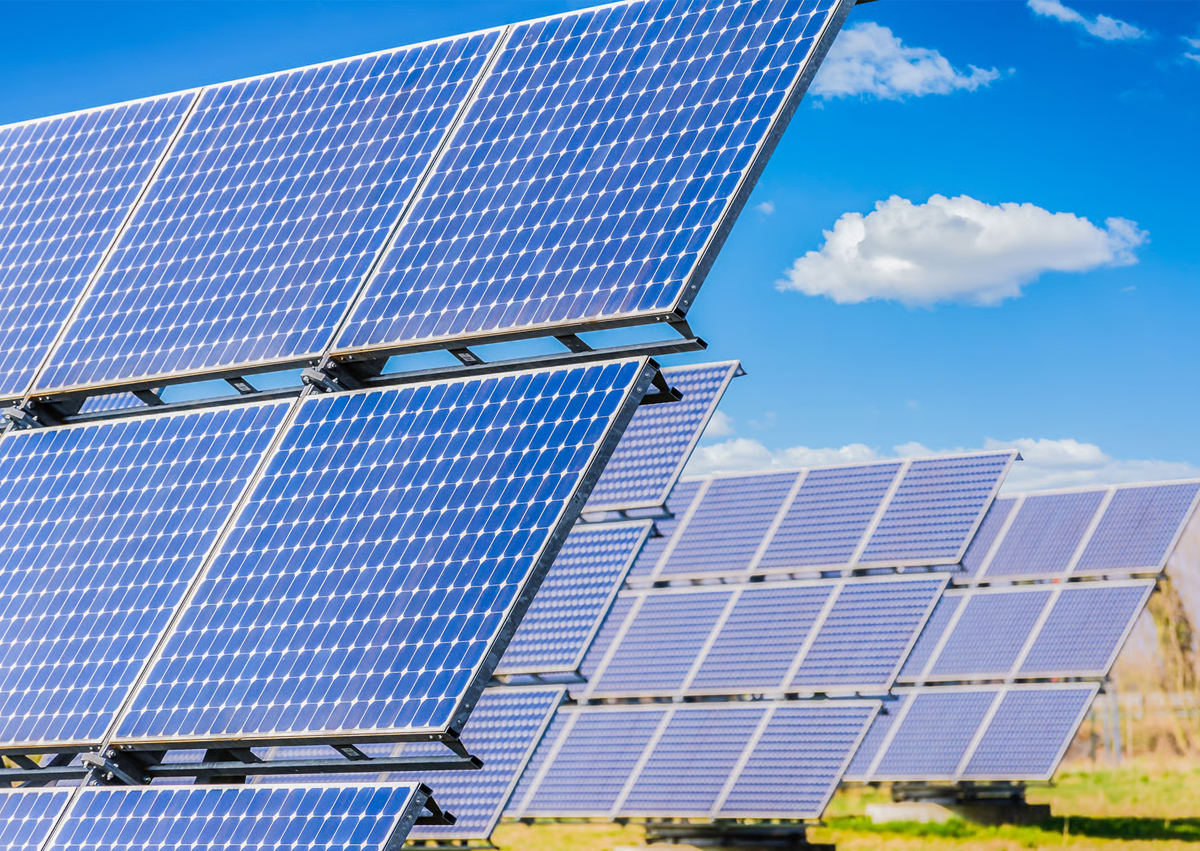
The second tranche of 200 billion baht is earmarked exclusively for energy transition investments. These funds will target renewable energy development, electric vehicle infrastructure, energy efficiency improvements, and workforce training.
The administration has placed a strong emphasis on fiscal discipline. Prime Minister Anutin stated that he would closely oversee the use of the funds to ensure transparency and accountability for the benefit of the public. A dedicated screening committee chaired by the Permanent Secretary of the Ministry of Finance will oversee all disbursements.
Powering Towards 51 Per Cent Renewables
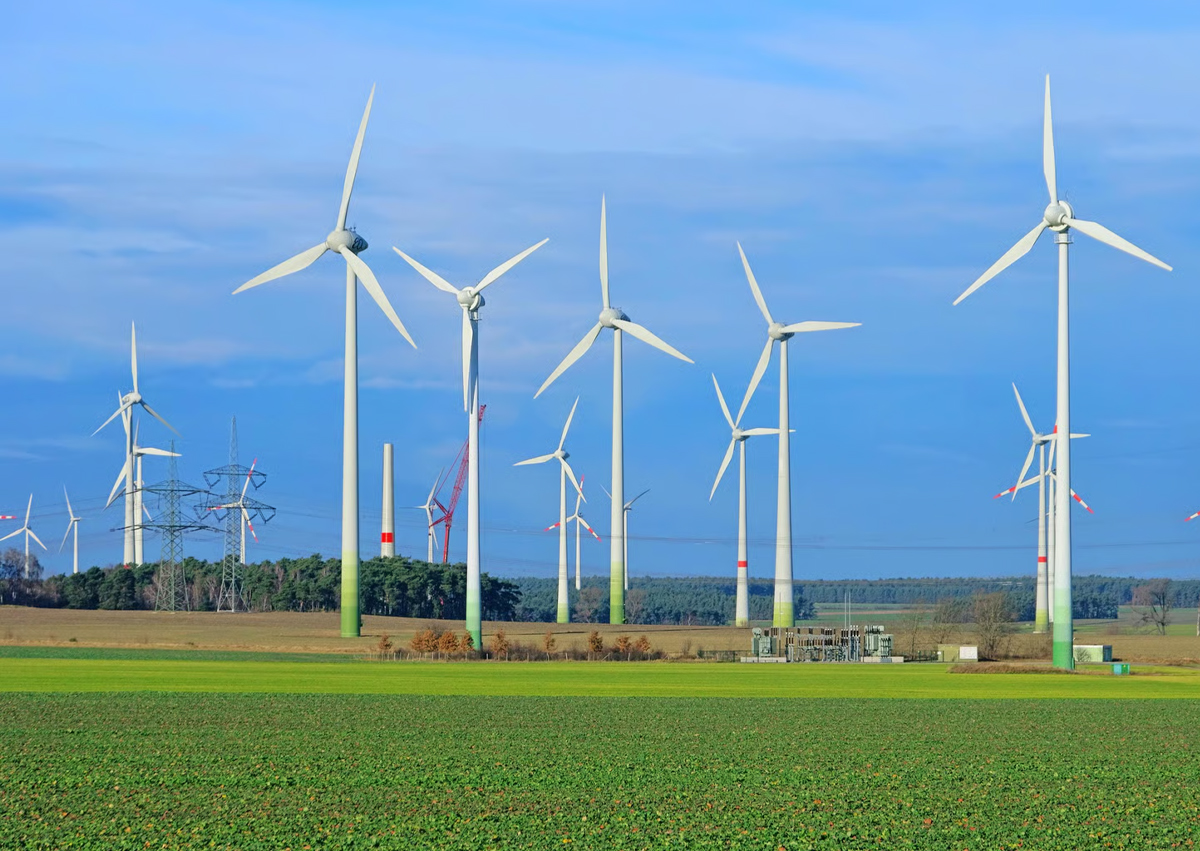
The funds unlocked by the decree will act as an accelerant for Thailand’s revised Power Development Plan (PDP) 2024–2037, which sets a target for renewable energy to make up 51 per cent of total electricity generation by 2037—more than double current levels.
To decarbonise the grid, the plan outlines several key targets. First, the country aims to phase out up to 8 gigawatts of legacy coal and gas plants. Second, it plans to expand renewable capacity by approximately 50 gigawatts, driven largely by wind, solar, and hydro power. Third, to address the intermittency of solar and wind generation, the government will deploy 14 gigawatts of Battery Energy Storage Systems. Finally, regulatory reforms will liberalise solar rooftop laws, allowing households to sell peer-to-peer power.
To align these targets with the country's broader goal of net-zero greenhouse gas emissions by 2050, a long-term electricity roadmap stretching to 2050 is being formulated under a panel led by former NESDC Secretary-General Thosaporn Sirisumphand.
Attracting International Investors with Green Tariffs
To make the transition commercially viable, the government is focusing heavily on green incentives. On 30 April 2026, the Metropolitan Electricity Authority and the Provincial Electricity Authority launched Green Utility Tariff rates, known as UGT2.
This system allows multinational corporations operating in Thailand to purchase certified clean energy directly from the grid, making it easier to meet international carbon-reduction and ESG reporting requirements.
Simultaneously, the Board of Investment is aggressively offering tax incentives, including eight-year corporate income tax holidays for utility-scale solar and wind projects. Backed by the government’s Thailand FastPass scheme, which accelerates licensing for major projects, the country has already approved over 958 billion baht in green investments.
Driving the 30@30 EV Revolution
Beyond the power grid, the transition funding will target transport—the nation's single largest consumer of petroleum. Under the national "30@30" policy, the government aims to have electric vehicles account for 30 per cent of all domestic automotive production by 2030.
The second 200-billion-baht tranche of the emergency loan will directly fund a rapid, nationwide rollout of public EV charging infrastructure, alongside bespoke workforce retraining initiatives to help workers transition from traditional internal combustion engine manufacturing into high-tech green jobs.
A Strategy for National Resilience
Thailand has long sought to reduce its reliance on imported fossil fuels, which have historically accounted for around 6 per cent of GDP in energy-related expenditure. By redirecting capital away from imported fossil fuels and toward domestic renewable infrastructure, the country is not just addressing an environmental challenge. This is a pragmatic, long-term economic strategy designed to shield Thailand from global commodity shocks while building a highly competitive, low-carbon hub in Southeast Asia.