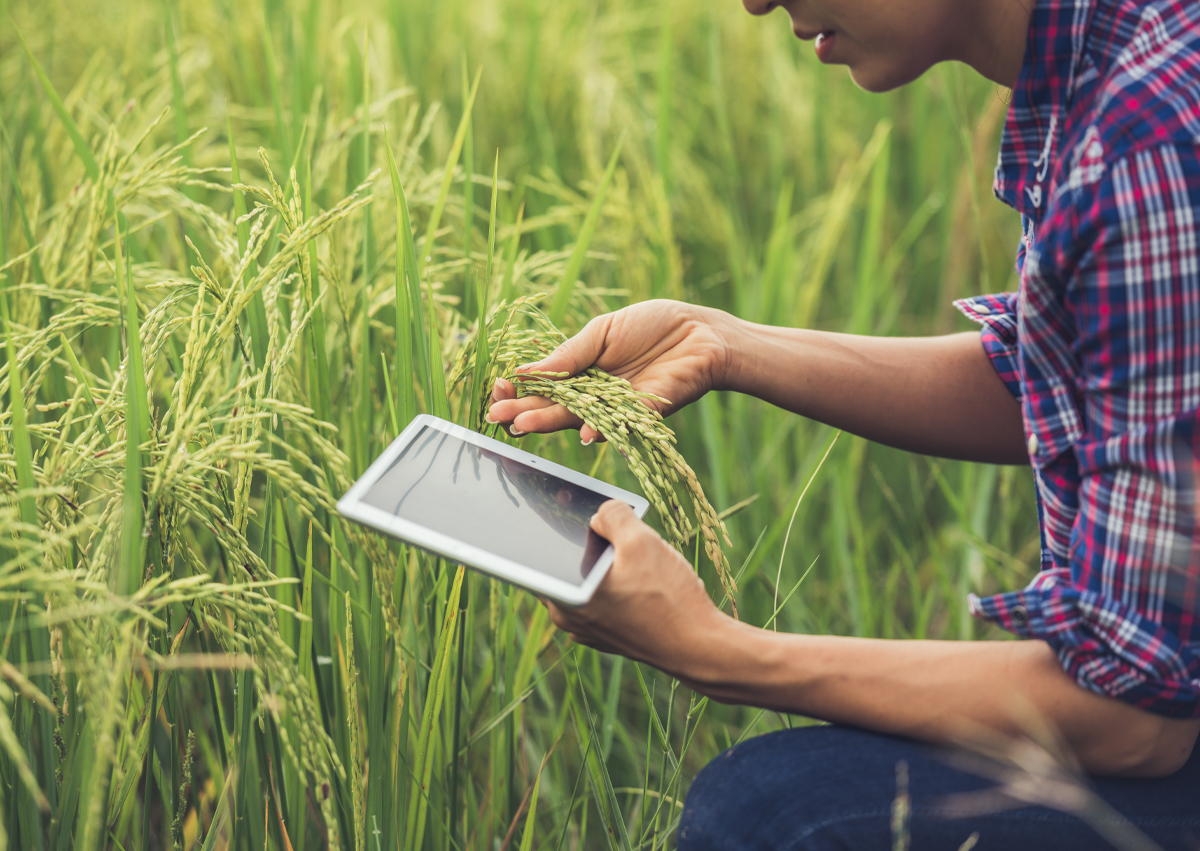
Royal Irrigation Department and UNDP Equip Farmers for the Digital Climate Era

The Royal Irrigation Department and UNDP train farmers in digital water management and online sales, building resilience against a changing climate.
The Royal Irrigation Department (RID) is pressing ahead with efforts to bring Thai farmers into the digital age, partnering with the United Nations Development Programme (UNDP), with support from the Green Climate Fund (GCF), to deliver hands-on training in digital technology and climate data — helping farmers cope with increasingly volatile weather while improving the efficiency of water management and agricultural production.
The training forms part of the joint RID–UNDP initiative "Enhancing Climate Resilience in Thailand through Effective Water Management and Sustainable Agriculture", and has so far reached farmers across 22 sub-districts (tambons) in Phitsanulok, Sukhothai and Uttaradit provinces.
In total, 1,249 farmers took part — 969 women and 280 men — learning to use digital technology as a genuine decision-making tool for their planting and irrigation choices.
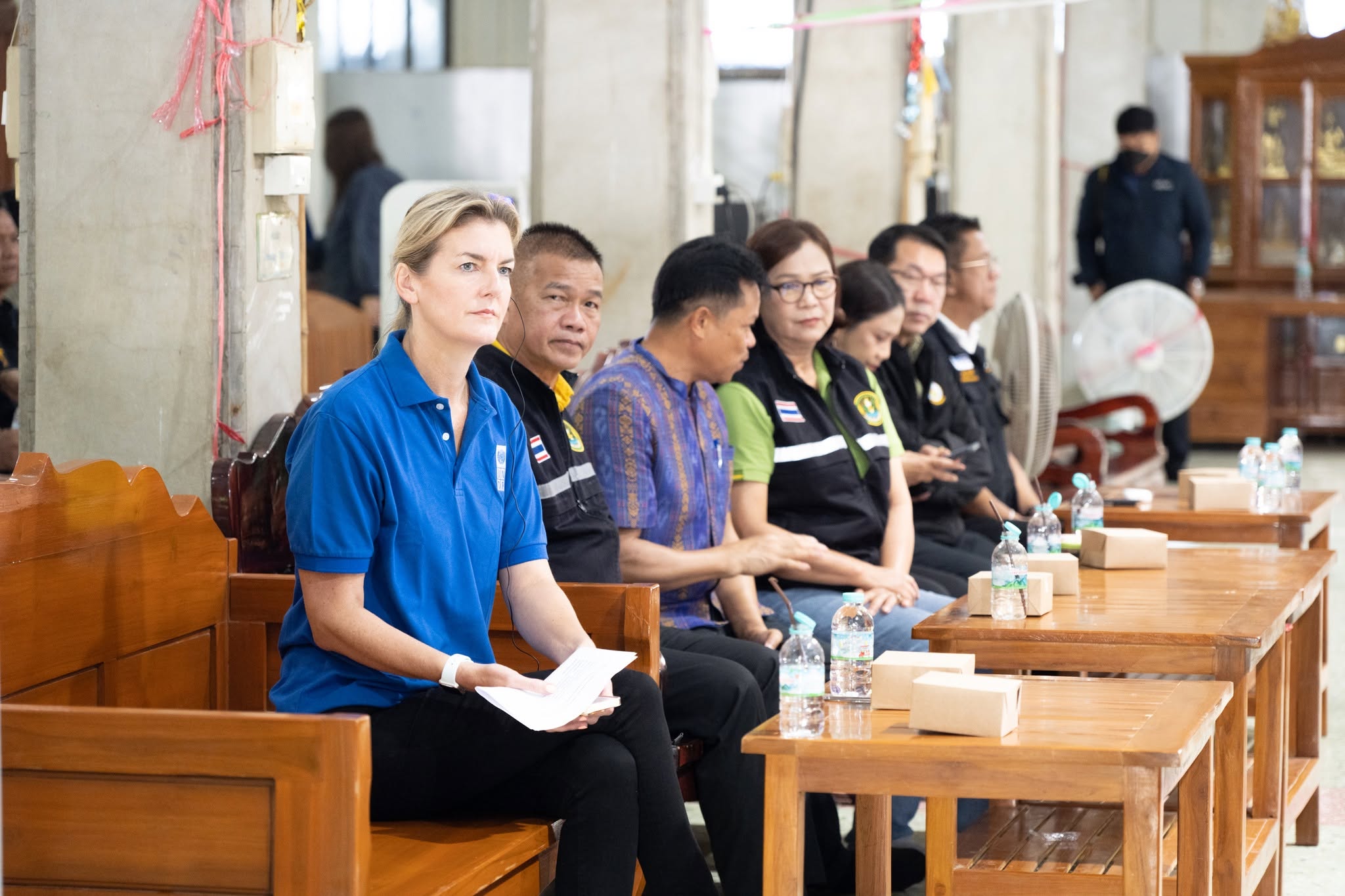
Three Phases, From Sensors to Social Media
The programme was delivered in three distinct phases, each building on the skills learned before it.
The first phase, running from 8 September to 15 October 2025, introduced farmers to the Internet of Things (IoT), teaching them how to connect data from field devices — such as water-level sensors — to online systems in real time.
Participants learned, for example, how to link water measurement devices to the WaterUnity application to display live water-volume data for their area, enabling more precise irrigation planning and reducing the risk of miscalculating water needs.
The second phase, from 16 October 2025 to 16 January 2026, focused on hands-on practice with WaterUnity itself — a smart water management platform developed jointly by RID and King Mongkut's University of Technology North Bangkok (KMUTNB).
The application consolidates water-situation data alongside agriculture-related information, helping farmers identify the optimal timing for planting and calculate their water requirements more efficiently.
The third and final phase, from 26 January to 27 February 2026, shifted focus to market access, teaching farmers to use the social media platform TikTok — which has more than 1.9 billion users worldwide and over 44 million registered accounts in Thailand — to sell their produce directly online.
Training covered everything from setting up an account and opening an online storefront to product photography techniques and short-video promotion, alongside use of Zoom for communicating and negotiating directly with customers and trading partners.
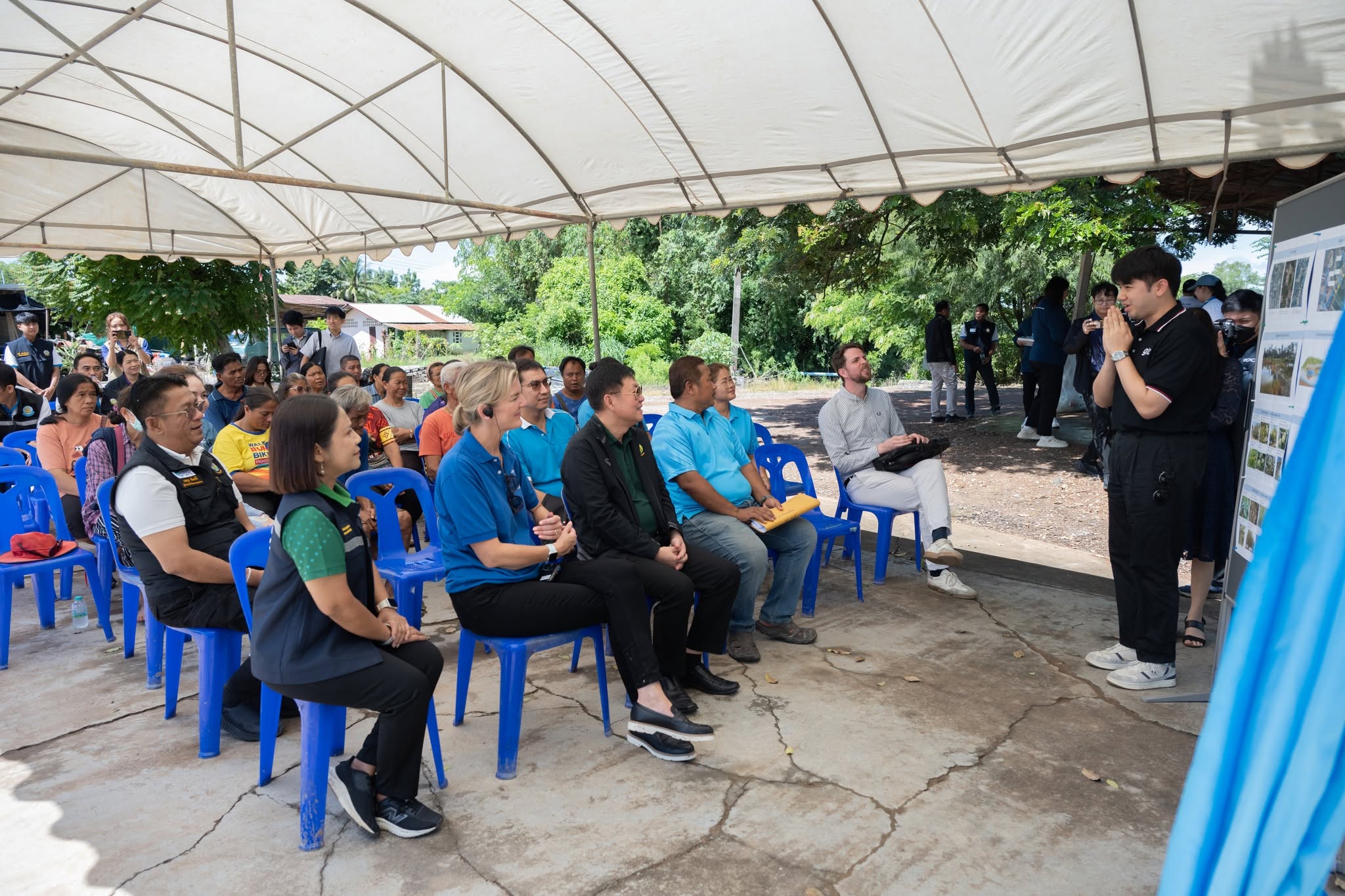
Part of a Wider, GCF-Backed Partnership
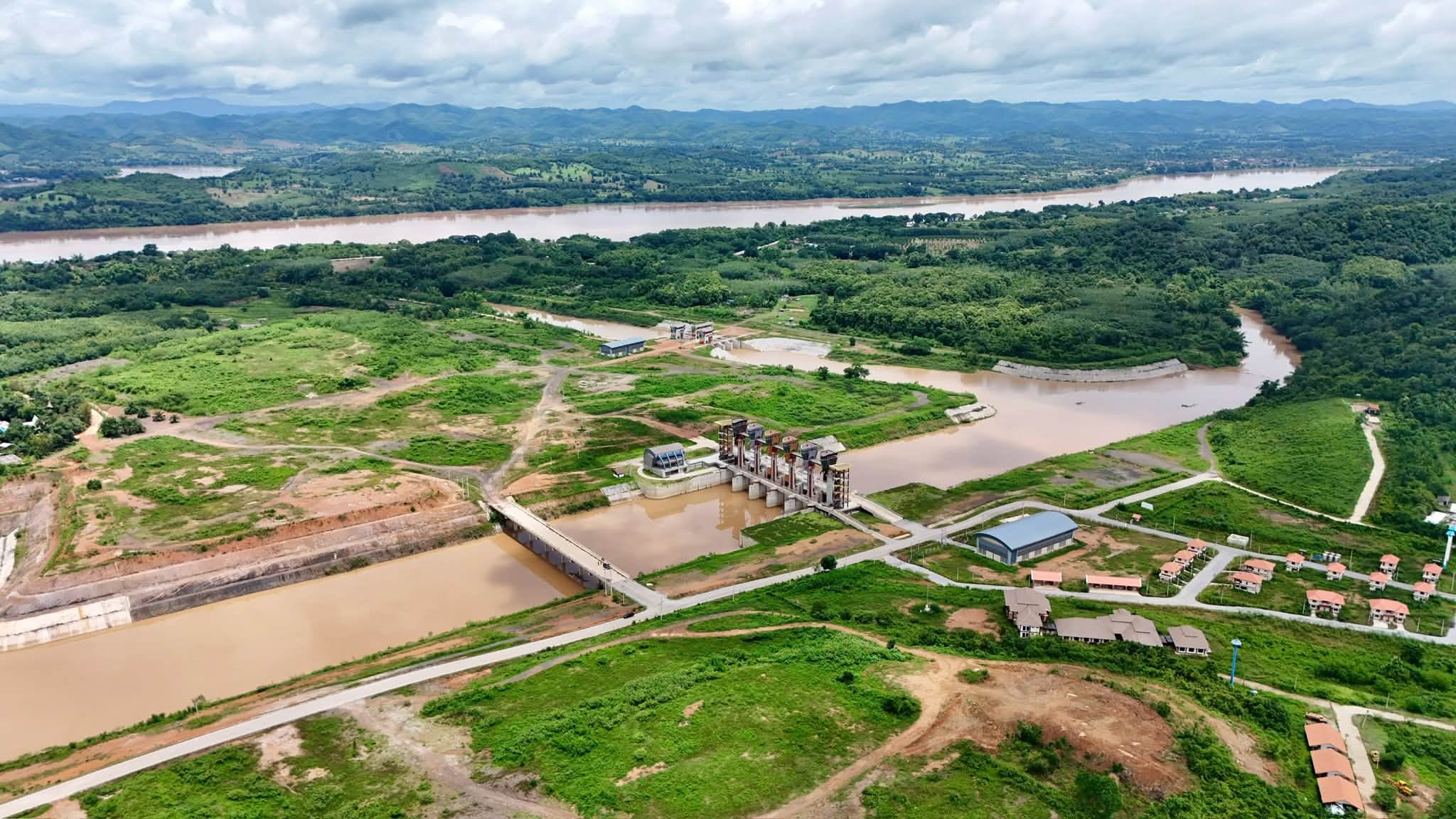
The training builds on a longer-standing collaboration between RID and UNDP centred on strengthening the climate resilience of Thailand's Yom and Nan river basins.
The wider "Enhancing Climate Resilience" project, financed substantially through the Green Climate Fund with co-financing from RID, has a total value exceeding 1.17 billion baht and combines infrastructure upgrades—including nature-based approaches to irrigation and drainage—with capacity-building for the farming communities, particularly vulnerable and lower-income households, who depend on that water.
The recent digital skills training represents a natural extension of this work, ensuring that improvements to physical water infrastructure translate into real gains for the farmers who use it.
Why the Collaboration Matters
RID has framed the initiative as a deliberate step to move Thai agriculture beyond traditional practices towards "Smart Farming" — a model driven by real data rather than guesswork, intended to raise incomes, reduce risk, and build long-term security for farmers as climate pressures intensify.
The significance lies in how the programme links two distinct forms of resilience: technical resilience, through real-time water data via IoT sensors and WaterUnity that allow farmers to plan irrigation and planting with far greater precision; and economic resilience, through direct-to-consumer digital sales channels on TikTok that reduce farmers' dependence on middlemen and improve the prices they receive.
That the great majority of participants — nearly eight in ten — were women also points to a notable social dimension of the programme, suggesting the training may be helping to close a digital access gap that has often left women in rural farming communities under-represented in agricultural technology adoption.
For UNDP, the programme reflects its broader global mandate of turning international climate finance into resilience that reaches ordinary communities rather than remaining confined to large-scale infrastructure.
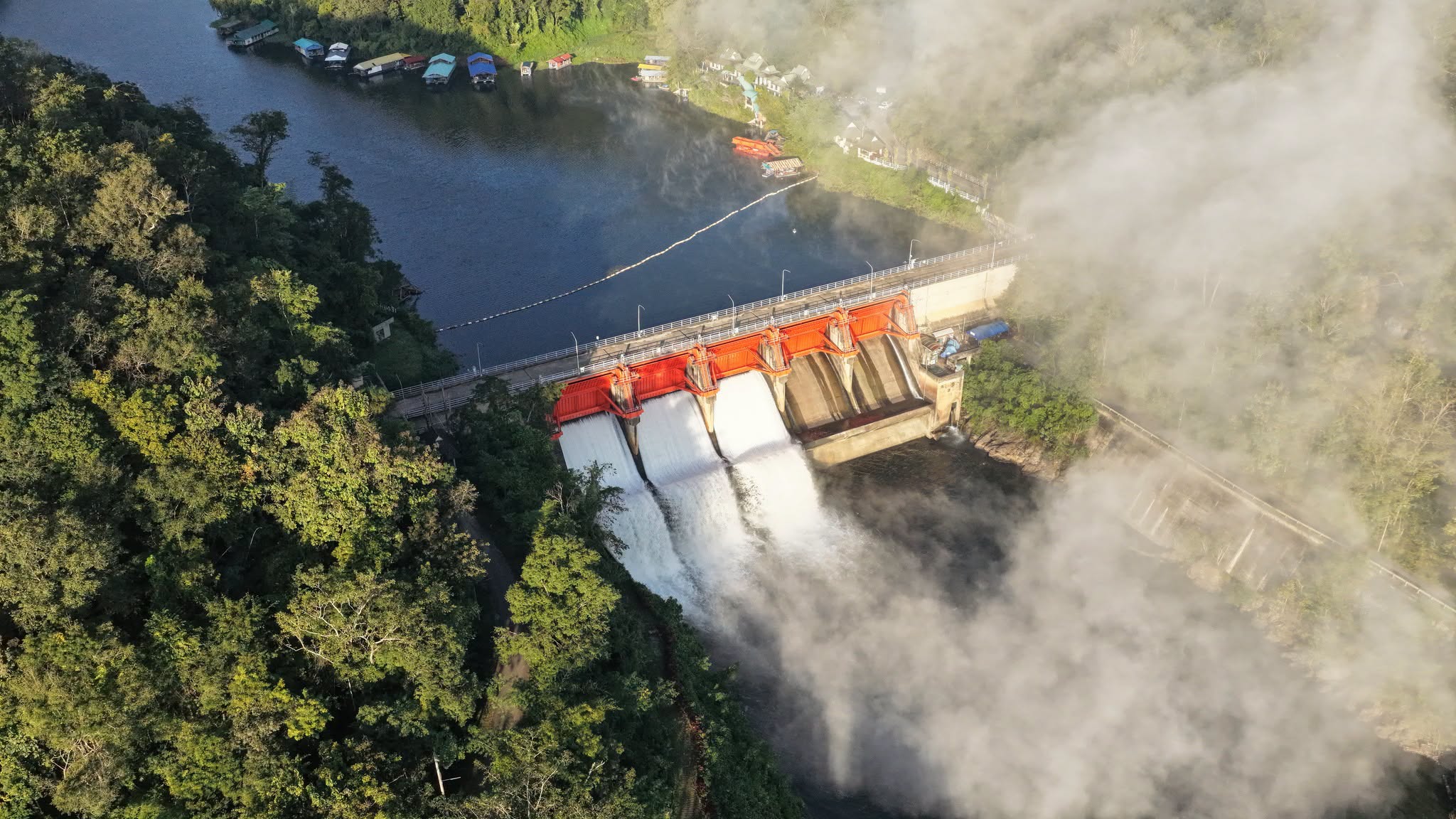
For RID, it marks a widening of its traditional remit — from managing dams, canals and irrigation schedules to actively equipping the farmers who rely on that water with the digital skills to use it and to sell what they grow more effectively.
Looking Ahead
With the final phase of training completed in February 2026, RID and UNDP now face the task of measuring how far the estimated 1,249 participating farmers have translated their new digital skills into practice — whether through more efficient water use via WaterUnity or new income streams via TikTok storefronts.
Given the scale of the underlying GCF-funded programme and its stated ambition to strengthen climate resilience across the Yom and Nan basins, officials are likely to look to this pilot cohort as a model for extending similar digital-agriculture training to farming communities in other river basins across the country.