Thailand Drives Kratom Towards Global Herbal Innovation Economy

Thailand is positioning kratom as a high-value medicinal plant through research, safety standards and global market development.
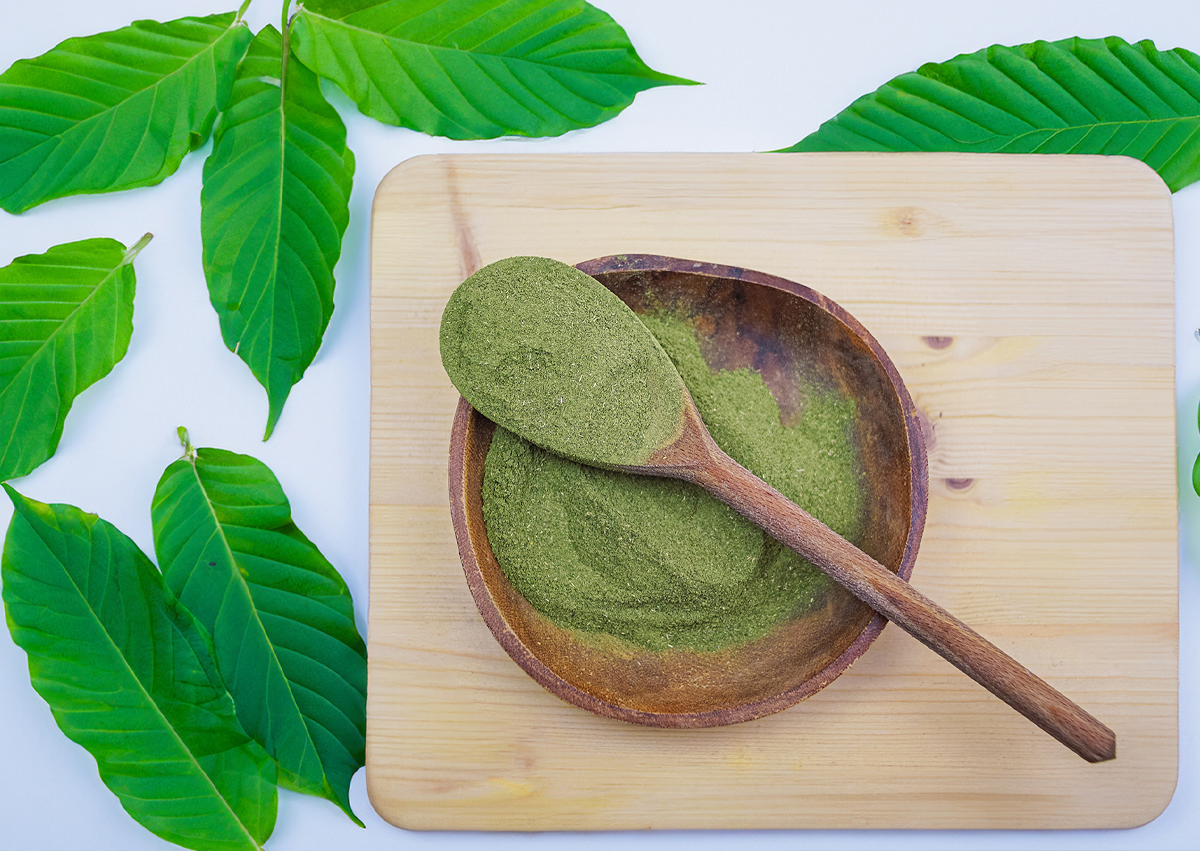
Kratom, or Mitragyna speciosa, is a native plant closely associated with local ways of life and traditional Thai medicine. Its removal from Thailand’s narcotics list in 2021 marked an important turning point, opening the way for broader research, economic value creation and commercial development.
In traditional practice, particularly in southern Thailand, kratom leaves have been chewed or brewed to reduce fatigue during physically demanding work. They have also been used in folk remedies for pain and diarrhoea.
Current research focuses on standardised raw materials, extracts and formulations, alongside pharmacological, toxicological and clinical studies. Potential areas include traditional preparations for pain management and investigation into the plant’s possible role in diabetes-related care.
Momentum increased further in 2023, when kratom was designated one of Thailand’s medicinal herbs. This status has placed Thai kratom at the centre of a national effort to turn traditional knowledge into internationally competitive products supported by scientific evidence, safety data and clear standards.
Research plan to build global confidence
The Department of Thai Traditional and Alternative Medicine (DTAM) has prepared a national kratom research and development plan to set a more systematic direction for the plant’s development in line with international standards.
The plan is designed to assess the current state of kratom research, identify gaps in knowledge and build stronger cooperation between the public and private sectors.
Its wider aim is to support innovation with proven effectiveness and safety, while lifting Thai kratom products towards global competitiveness, according to Dr Thewan Thaneerat, deputy director-general of DTAM.
An analysis of kratom research in Thailand found 331 studies. The largest share focused on pharmacology and safety, accounting for 32.9%, while 31.1% covered basic science and agriculture. Prince of Songkla University was identified as the main institution driving research in the field.
The new research framework will focus on areas where stronger evidence is still needed, including safety standards, product standards, long-term effects on youth and clinical trials aligned with international requirements.
Five strategies for Thai kratom
DTAM has set out five core strategies to guide the development of Thai kratom.
- Agriculture and basic science, focusing on varietal development and raw-material quality control.
- Pharmacology and safety, accelerating research into medicinal properties and clinical trials.
- Product development, using advanced innovation such as nanotechnology and studying safety when used alongside modern medicines.
- Policy, law and society, creating a balance between economic opportunity and public health protection.
- Advanced technology, applying AI and pharmacogenomics to support precision medicine and build international confidence in Thai kratom.
In the next phase, DTAM plans to integrate work with key agencies, including the Department of Medical Sciences, the Food and Drug Administration and the Office of the Narcotics Control Board, as well as universities nationwide.
The cooperation is intended to reduce duplication in research and improve the efficiency of budget spending.
“The goal is to push Thai kratom as a new economic crop that can generate income for the country while ensuring sustainable social safety,” Thewan said.


