CMU AI Drones: Innovative Frontiers in Wildfire and PM2.5 Defense

Thailand leverages AI and long-range UAVs to revolutionise forest fire detection, safeguarding Northern skies with cost-effective, high-tech environmental defence.
The Innovation Frontline: A New Era for The North
The rugged, mist-shrouded landscapes of Northern Thailand have long presented a formidable challenge for environmental management, particularly during the seasonal cycle of forest fires and the resulting PM2.5 haze. However, this recurring pressure has become the catalyst for world-class technological innovation. Thailand is increasingly adopting smart environmental technologies as part of its broader approach to forest and air-quality management.
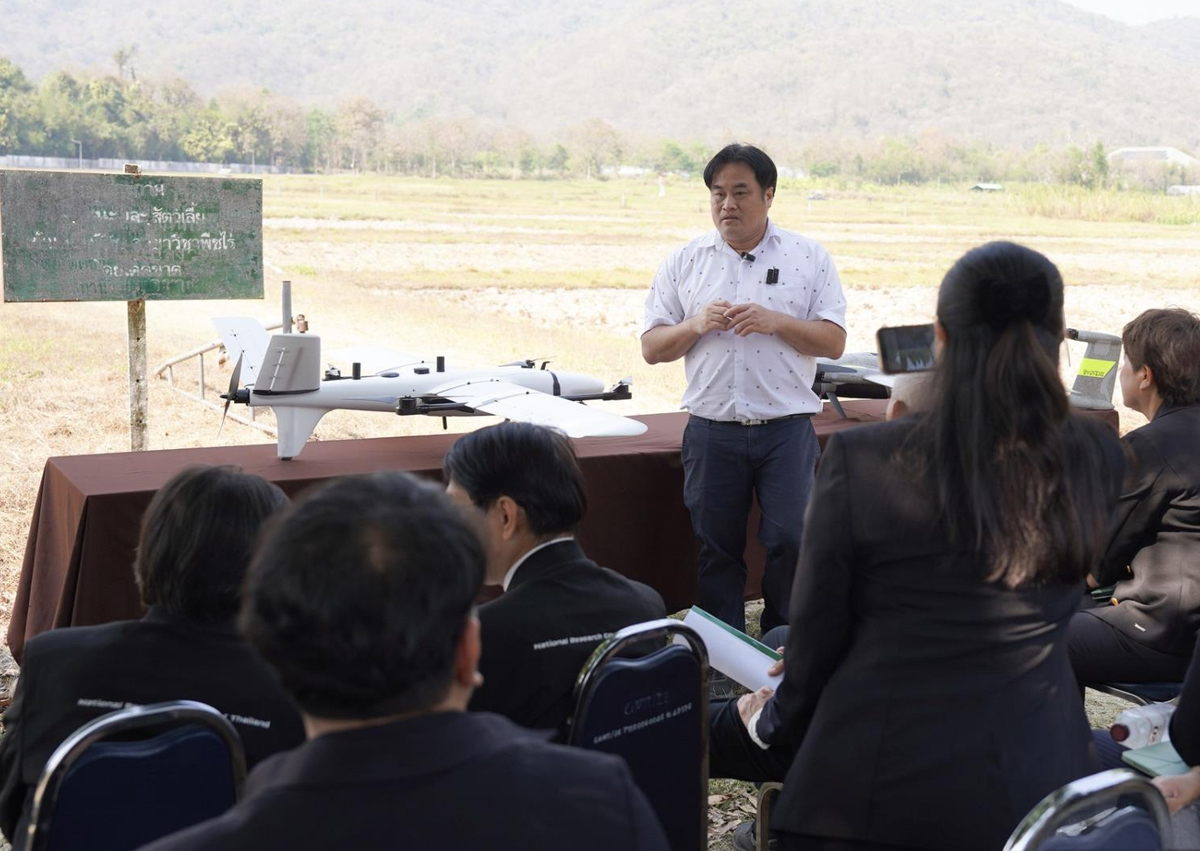
This strategic shift is spearheaded by Assistant Professor Dr Phudinan Singkhamfu and his team at the College of Arts, Media and Technology (CAMT), Chiang Mai University (CMU). They have successfully transitioned the regional response from a reactive firefighting model to a proactive frontline strategy. By prioritising early detection and systematic monitoring, this visionary approach is essential for maintaining regional air quality and ensuring long-term public health. This evolution in strategy is not merely theoretical; it is underpinned by a sophisticated synergy of bespoke hardware and cutting-edge software.
The Synergy of Silicon and Sky: UAVs Meet AI
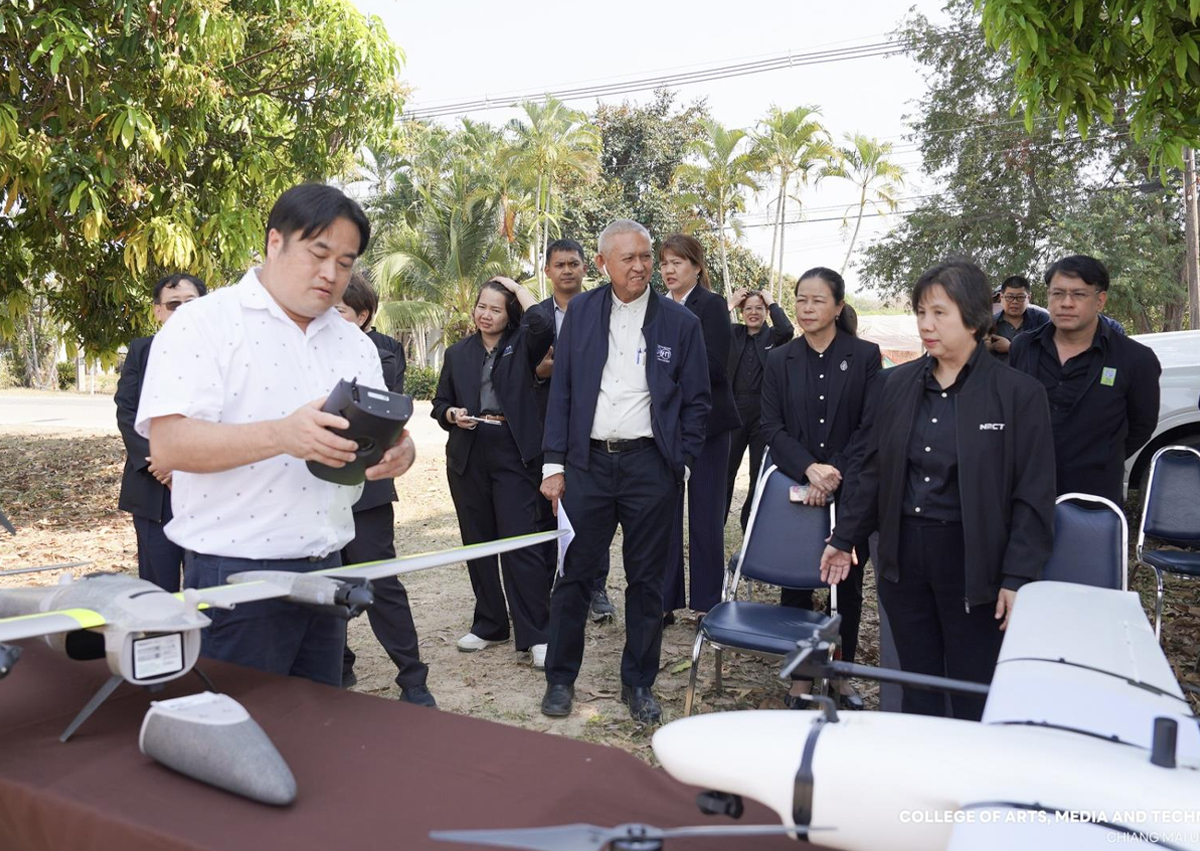
To overcome the logistical hurdles of the North’s mountainous terrain, the integration of Artificial Intelligence (AI) with Unmanned Aerial Vehicle (UAV) technology has become a strategic necessity. Operating at low altitudes to ensure the highest quality of in-depth data collection, these drones provide a level of surveillance that was previously impossible. This vantage point allows the system to skim the canopy, capturing high-resolution details that transform how environmental data is utilised.
The system developed by CAMT offers several technical differentiators:
- Extended Range: The drones are capable of an impressive 60km flight radius, allowing for the patrol of vast, inaccessible forest tracts from a single deployment point.
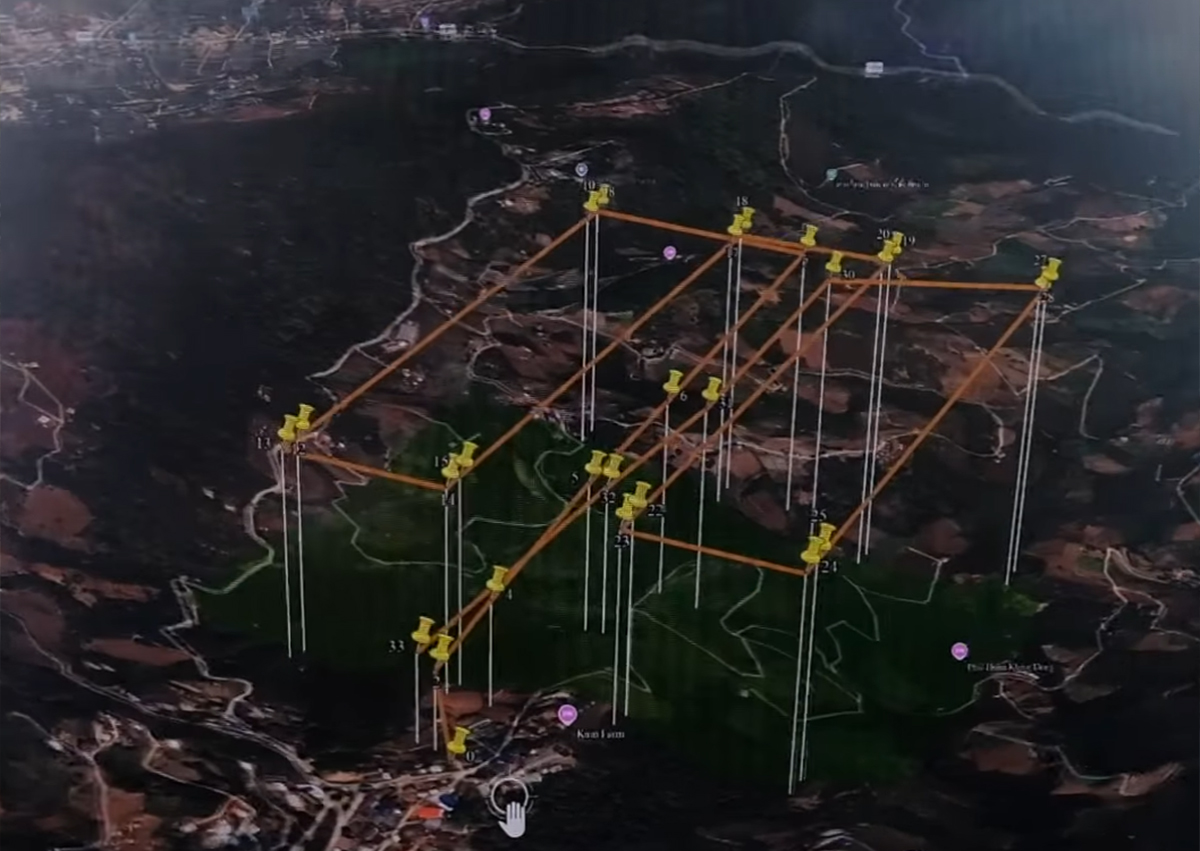
- Real-Time Intelligence: Integrated GPS systems provide instant alerts, while the software employs snapshot-stitching to create high-resolution maps. These intelligence reports can be generated hourly, providing a constant stream of live data to command centres.
- Precision Detection: The AI has been rigorously trained on aerial datasets to accurately distinguish between smoke and fire, ensuring hotspot accuracy that eliminates false positives and identifies the precise origin of a blaze.
But the true disruption lies not in the silicon, but in the spreadsheet: the economic accessibility that brings high-tier defence to the forest floor.
Democratising Defence: The Accessibility Breakthrough
Financial sustainability is the cornerstone of any viable environmental strategy. High-end technology is often siloed within well-funded industrial sectors, but the CMU project has successfully broken this barrier. By focusing on cost-effective engineering, the project ensures that sophisticated environmental defence is no longer a luxury, but a standard tool for land management.
The impact of the under 1-million-baht price point cannot be overstated. While industrial-grade systems often command prices in the multi-millions, this more accessible threshold allows local government organisations and community park rangers to become active stewards of their own land. This democratisation of technology empowers those on the ground with the same high-tier intelligence used by national centres, fostering a sense of shared responsibility and local agency.
A National Commitment to Cleaner Air
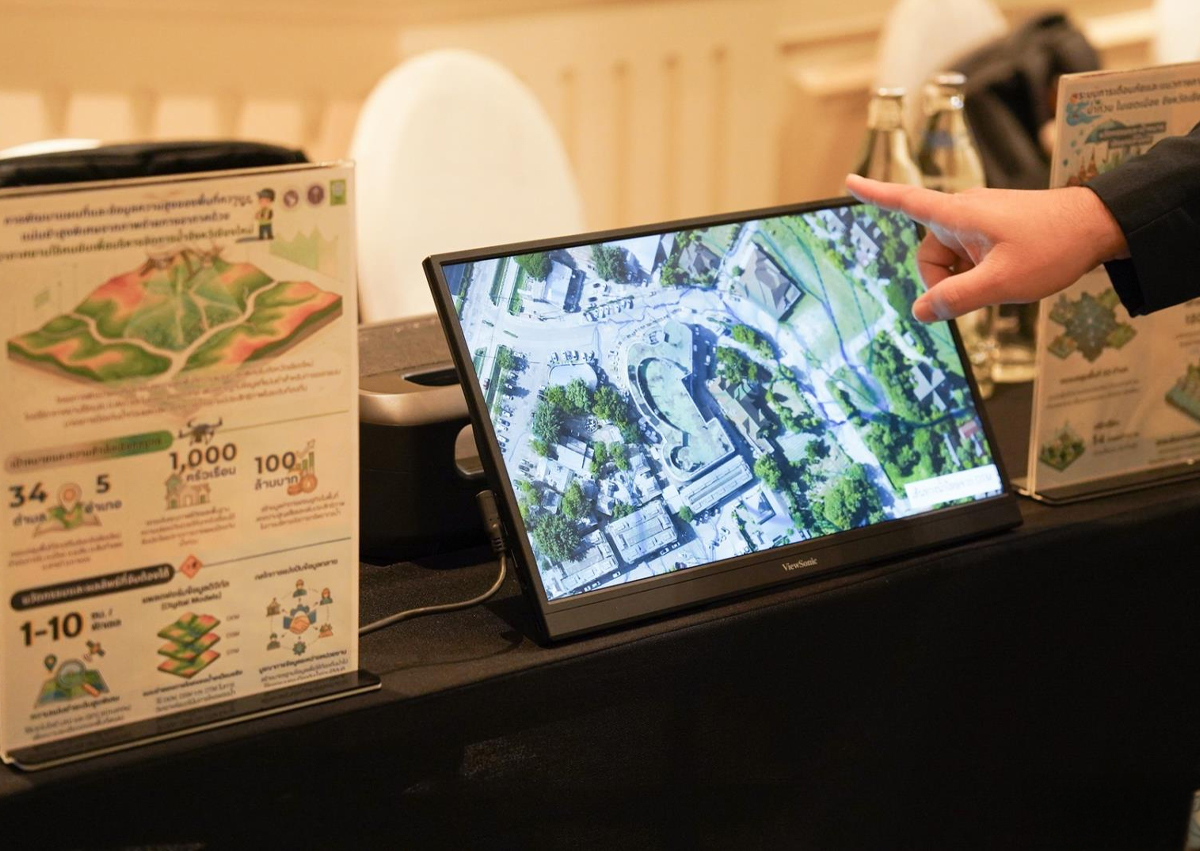
The CMU initiative is a vital component of Thailand’s broader national commitment to environmental preservation. Central to this effort is the Academic Committee for Northern Smog Problem Solving at CMU, which provides the intellectual and strategic framework for these technological interventions. It represents a coordinated national effort to address air pollution through research, technology and local collaboration, with a focus on long-term environmental sustainability.
The success of this programme is rooted in a unique collaboration between academic excellence, local government, and community-led firefighting teams. This synergy serves as a model for regional cooperation, demonstrating how institutional knowledge can be translated into practical, life-saving tools. By fostering a proactive narrative of prevention, Thailand is effectively securing a more sustainable and breathable future for its northern provinces.
The Blueprint for a Sustainable Future
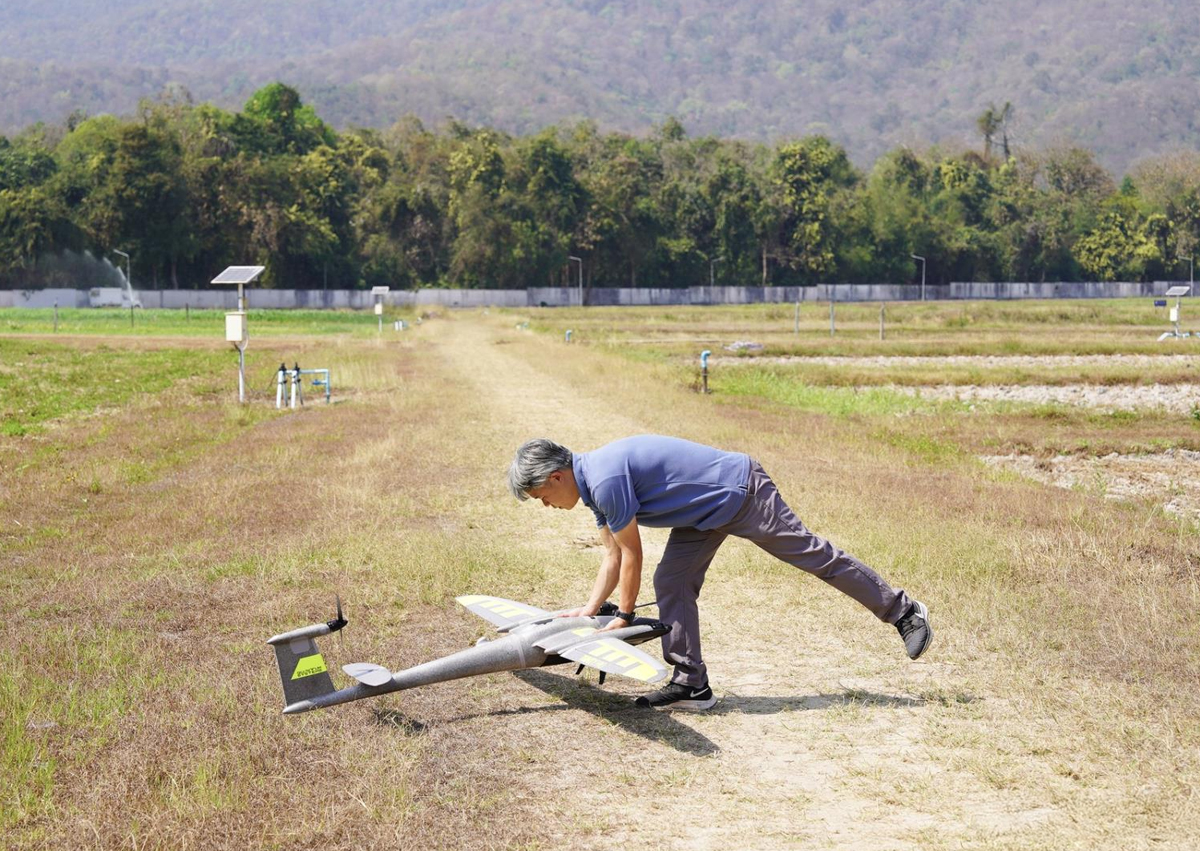
Thailand is rapidly emerging as a pioneer in the "Deep Tech" environmental sector. By merging drone technology with advanced machine learning, the nation has created a scalable blueprint for managing complex ecological challenges that can be exported globally.
These advancements prove that innovation is not just about the hardware itself, but about the impact it has on society and the environment. Ultimately, AI and UAVs are more than just tools; they represent the new infrastructure for a cleaner, healthier, and more resilient Northern Thailand.
Location and Contact
01 Jan, 1970 -
01 Jan, 1970
Comment
Related News
Thailand Plugs into the Global AI Hardware Supply Chain with PCB Investments
1970-01-01 - 1970-01-01

Thai Cocoa Steps onto the Premium Global Stage
1970-01-01 - 1970-01-01

Thailand Climbs to 26th in Global Competitiveness Ranking
1970-01-01 - 1970-01-01

Thailand’s TTM+ 2026 Turns Global Deals into Greener Growth
1970-01-01 - 1970-01-01

Sawasdee Thailand Invites You to Join & Win Prizes! 🎉
1970-01-01 - 1970-01-01
