Thailand Advances Herbal Research with Locally Developed Garcinia cambogia(ส้มแขก) Innovation
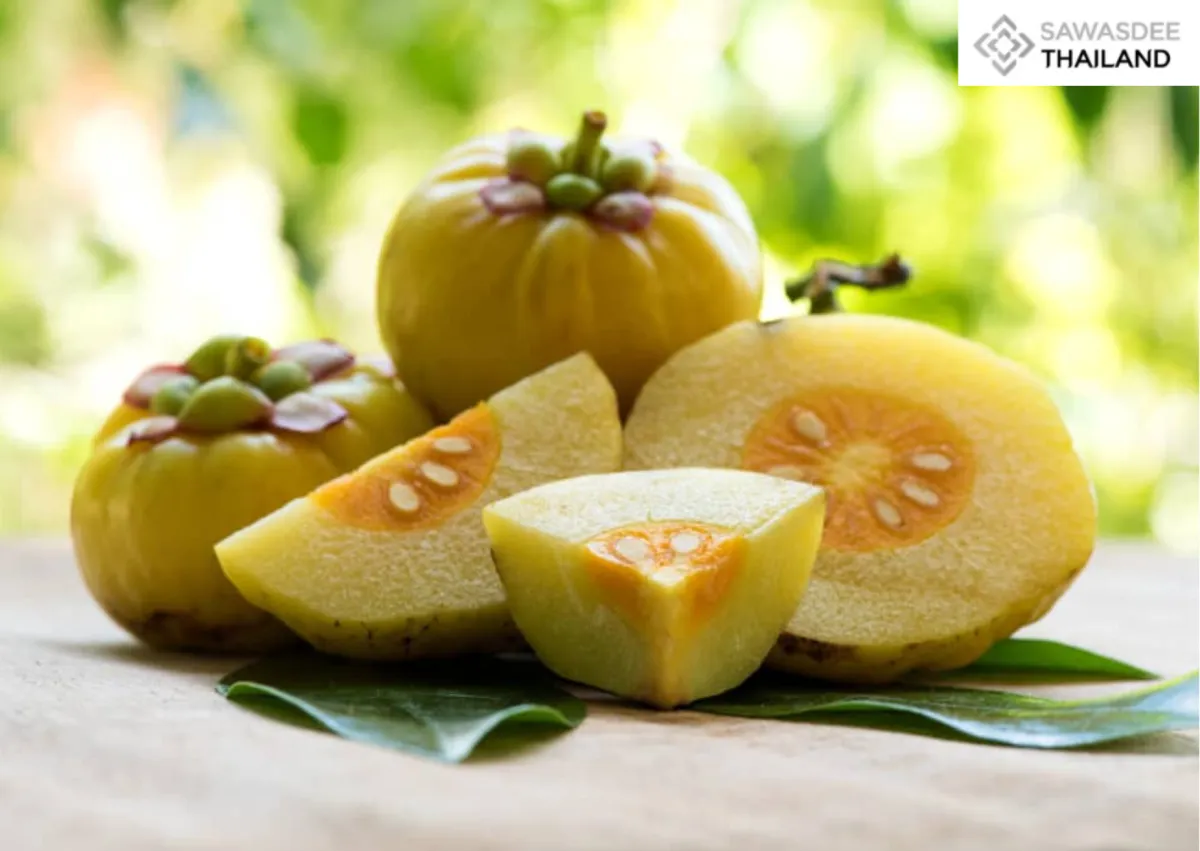
Thailand continues to demonstrate its scientific and research capability through the development of health innovations derived from indigenous herbal resources. One recent example is a research-led initiative transforming Garcinia cambogia, a native medicinal plant found in southern Thailand, into a scientifically validated health innovation.
The research project was conducted by the Ministry of Higher Education, Science, Research and Innovation (MHESI) in collaboration with the Thailand Institute of Scientific and Technological Research (TISTR). The study centers on Hydroxycitric Acid (HCA), a bioactive compound naturally found in Garcinia, which has been scientifically shown to play a role in appetite regulation and fat metabolism.
Researchers utilized round-fruit Garcinia cambogia sourced from Phuket Province. The plant has been officially registered as a Geographical Indication (GI) product, reflecting Thailand’s capacity to integrate local biodiversity with scientific standards and intellectual property systems.
Scientific analysis confirmed high levels of HCA in the extract, with demonstrated biological activity related to appetite control through neurotransmitter regulation. The product has passed safety assessments at the cellular and animal levels and is currently undergoing Phase 1–2 clinical trials, underscoring Thailand’s adherence to systematic research and clinical validation processes.
The project highlights Thailand’s ability to advance herbal science through rigorous research and innovation, reinforcing the country’s strength in transforming indigenous knowledge into nationally relevant health research.