Siam’s Lunar Spirit: Six Destinations Where Thai-Chinese Heritage Shines Brightest
From Bangkok’s sizzling streets to riverside shrines — where centuries of migration meet modern celebration
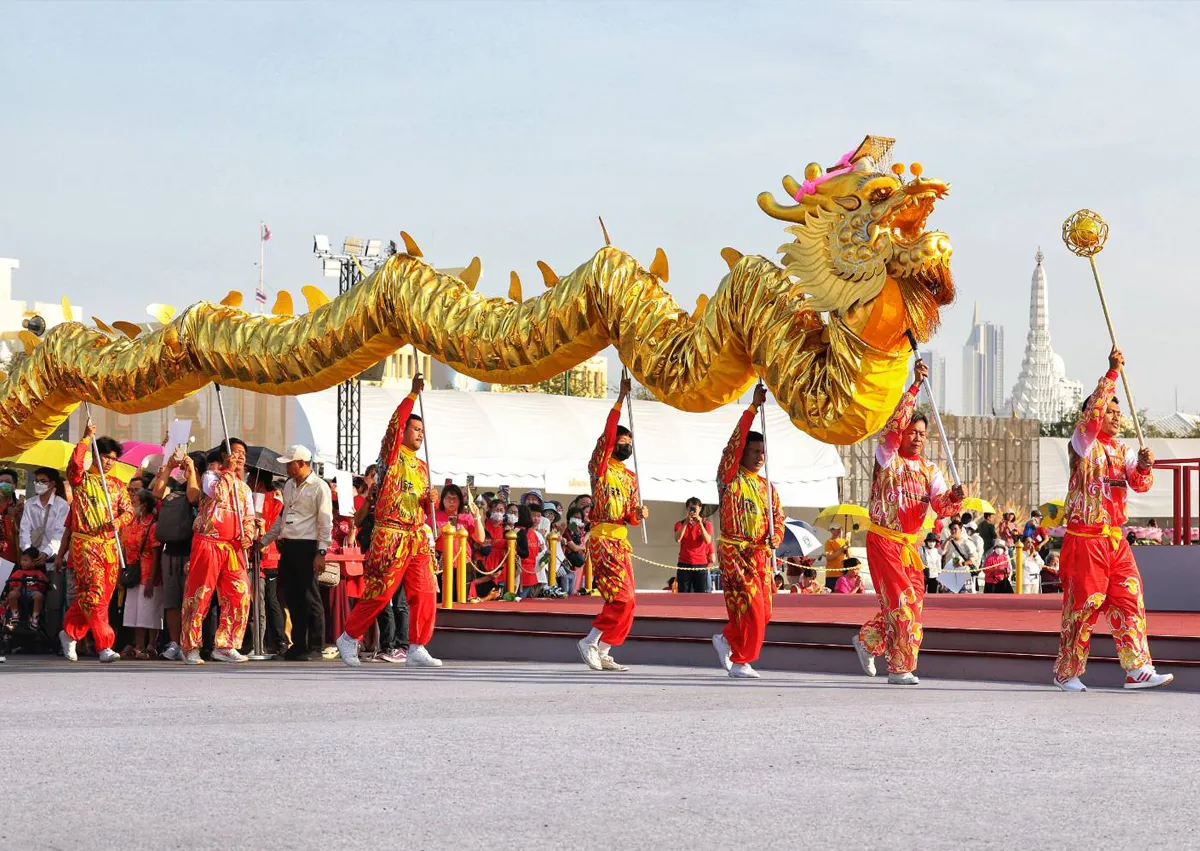
When Chinese New Year arrives in Thailand, entire neighbourhoods transform. Lanterns glow above market lanes, incense spirals through temple courtyards, and the crack of firecrackers punctuates lion dances that wind through crowds thousands-strong.
This isn’t borrowed pageantry. It’s the visible expression of centuries of Thai-Chinese integration — migration waves that began in earnest during the 19th century, bringing merchants, labourers and traditions that wove themselves into the fabric of Thai commercial and religious life.
Today, Chinese New Year in Thailand is both intimate family ritual and exuberant street festival. Here’s where to witness it at its most vivid:
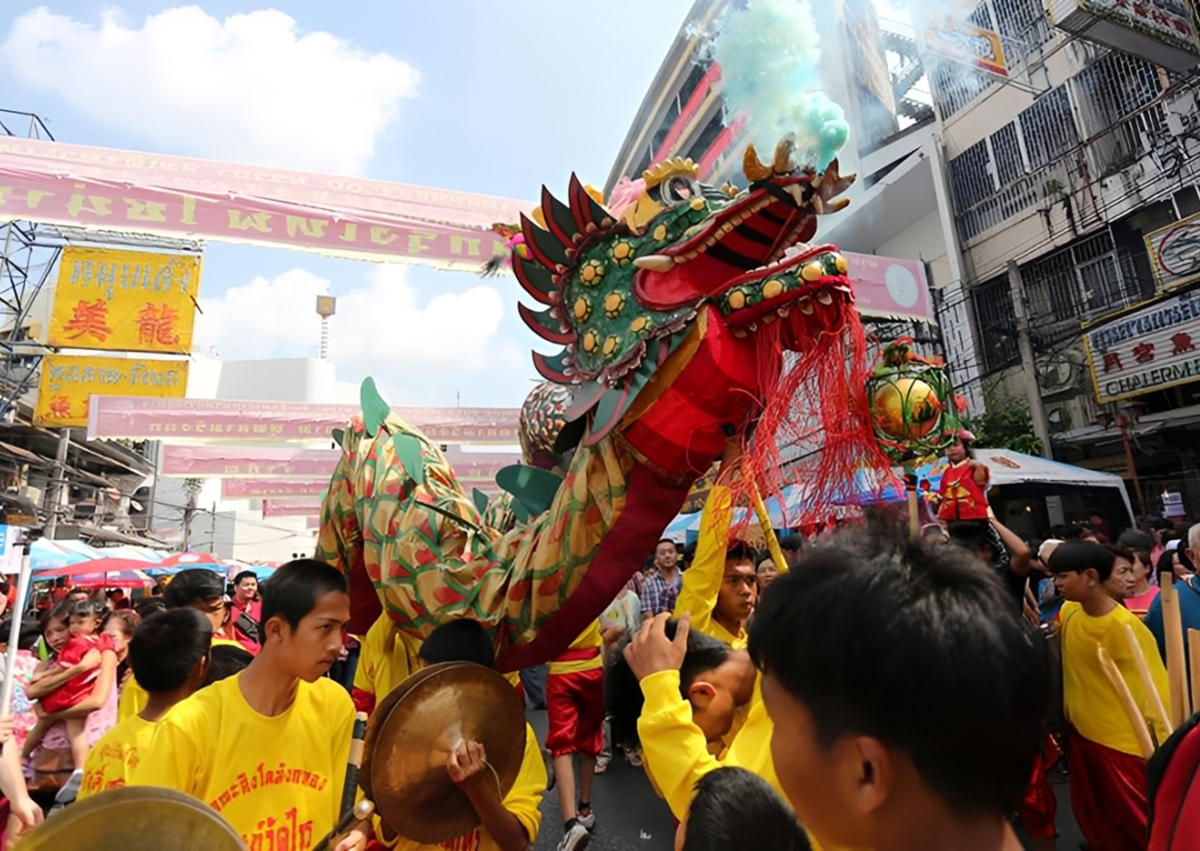
Yaowarat (Bangkok Chinatown) remains the spiritual epicentre of the community. While customary parades and high-pole lion dances will not take place this year as a mark of respect during the period of mourning for Her Majesty Queen Sirikit, The Queen Mother , the heart of the district remains very much open to visitors.
Under the theme "Ride the Fortune, Share the Future," Yaowarat Road—stretching from Odeon Circle to the Chaloem Buri Intersection—will be transformed by large-scale festive illuminations. These vibrant evening displays will run daily from 7 February to 1 March, between 18:00 and 23:00 Hrs. Visitors can still immerse themselves in the district’s authentic heritage, from the 'wok-hei' flavours of legendary street food to the quiet devotion found within historic temples like Wat Mangkon Kamalawat.
Meanwhile, Siam Paragon will serve as the festival’s cultural flagship from 14 to 18 February, featuring an auspicious greeting ceremony, large-scale lantern displays, and performances by troupes from Beijing, Chongqing, Henan, and Fujian. The programme includes exclusive appearances by Chinese star Zhu Zhengting alongside leading Thai artists, complemented by interactive workshops in Chinese calligraphy, paper cutting, and traditional Thai crafts.
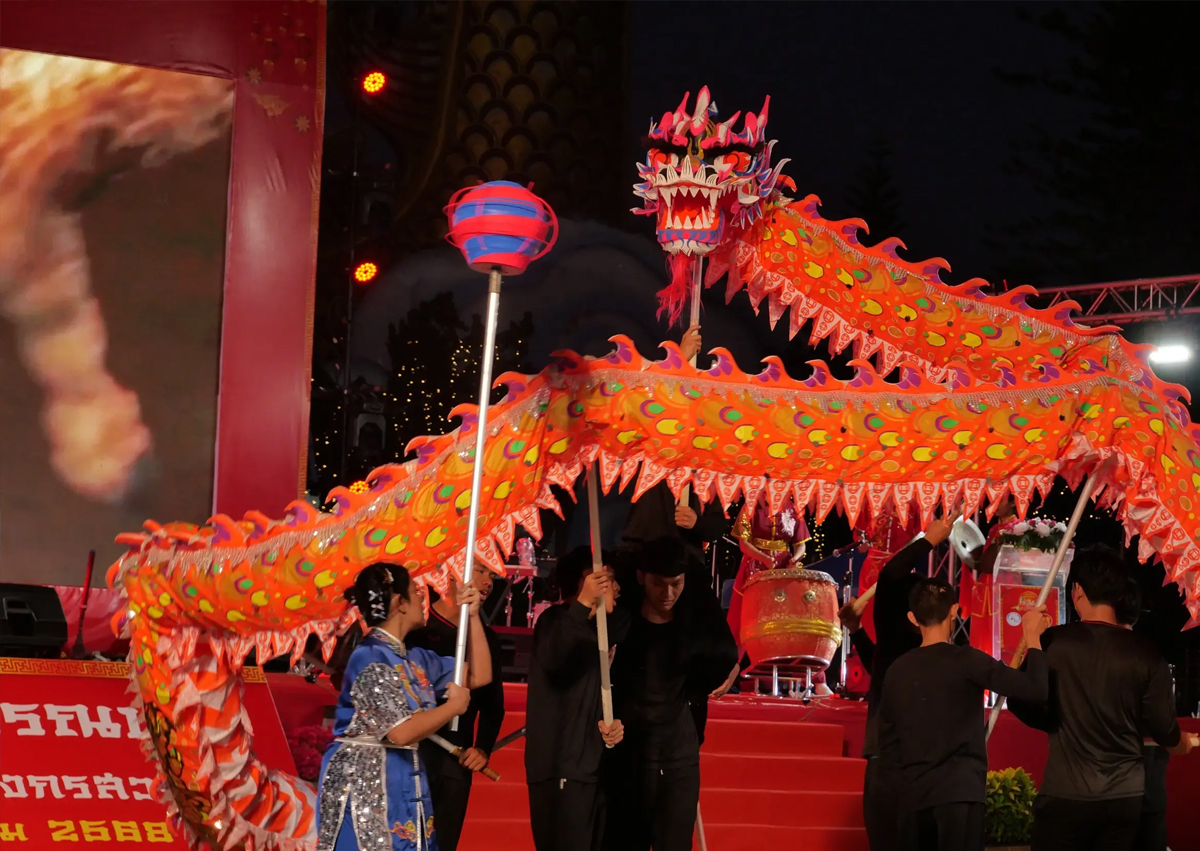
North along the Chao Phraya, Pak Nam Pho (Nakhon Sawan) hosts one of Thailand’s oldest community celebrations. The twelve-day festival (typically running from early to mid-February) features multi-day shrine processions honouring local deities at the North Shrine and South Shrine. The signature day-and-night Golden Dragon processions draw large crowds, blending river-town faith with theatrical public devotion refined over a century. The festivities around Wat Photharam include over a hundred food stalls and free Chinese opera performances.
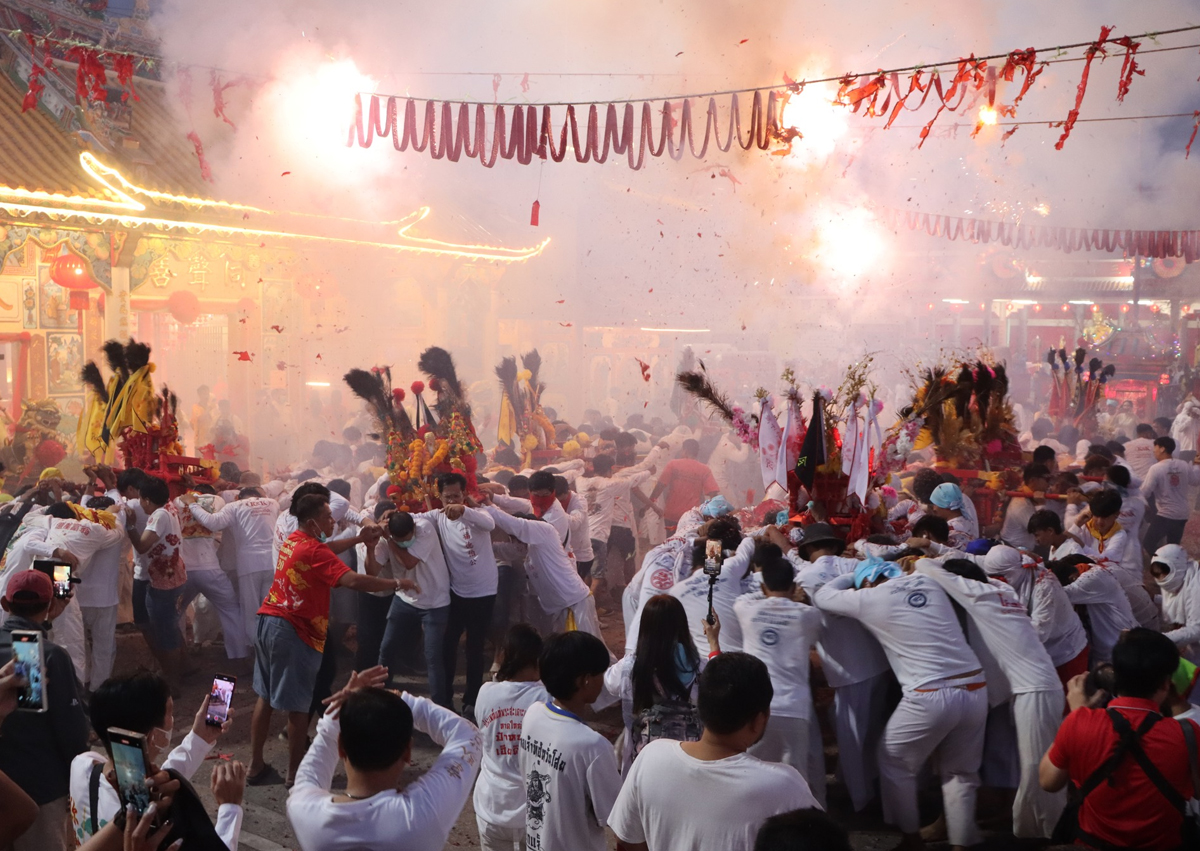
In the South, Hat Yai (Songkhla) stages high-energy celebrations at the Srinakorn Foundation School and throughout the city centre. The festival features a 3-meter tall Guanyin statue for worship, grand fireworks displays, fire-breathing dragon dances, and lion dances on high poles — a reflection of the region’s deep Chinese commercial roots meeting modern spectacle.
Phuket Old Town offers something distinct: Sino-Portuguese facades frame street parties steeped in Peranakan heritage. The celebrations often coincide with the Old Phuket Town Festival (typically 12–14 February), when Thalang Road and Soi Romanee close to traffic each evening. On the second day (18 February), the main dragon and lion dance parades wind through historic streets. Jui Tui Shrine on Ranong Road serves as the spiritual centre, while the Thai Hua Museum offers insight into the island’s Chinese migration history. Hokkien traditions meet island history in lantern-lit lanes and projection-mapped heritage buildings.
Up north, Chiang Mai’s Warorot Market precinct (Kad Luang) celebrates at a more local pace. Dragon parades begin at Tha Phae Gate before moving through the market area, where stalls pile high with auspicious sweets and temple offerings. The Guan Yu and Pung Tao Gong shrines draw worshippers, while neighbourhood performances feel less tourist spectacle, more everyday life turned festive.
Finally, Suphan Buri’s Dragon Descendants Museum — a giant dragon-shaped landmark measuring 135 meters long and 35 meters high — serves as both photo opportunity and cultural primer. During Chinese New Year, the compound hosts elaborate light displays, Thai-Chinese cultural performances including Thousand-Hand Guan Yin dances, Tibetan dances, kung fu demonstrations, and concerts, symbolising Thai-Chinese diplomatic ties and centuries of shared identity.
Chinese New Year works in Thailand because it operates on two levels: ancestral worship and merit-making within families, and vibrant public culture spilling onto streets and into markets. It’s migration history made visible — and delicious.
Chinese New Year 2026: The Three-Day Celebration
Chinese New Year 2026 falls on 17 February, but for Thailand’s Thai-Chinese community, the celebration traditionally spans three days:
Pay Day (15 February): Families shop for ceremonial offerings, food, and fruits before shops close for the holiday. The household god is invited down from heaven to receive worship.
Worship Day (16 February): The most spiritually significant day includes ceremonies honouring deities and ancestors. Families gather for meals with blessed food and exchange ang pao (red envelopes). Firecrackers are lit to drive away evil spirits.
Travel Day (17 February): Families dress in bright, colourful clothing to visit and pay respects to elder relatives, travel together, and continue celebrations.
As the longest and most important celebration in the Chinese calendar, these three days preserve ancient customs whilst creating vibrant public festivals that welcome all to participate.
Practical notes: Best experienced evenings; respect active shrine etiquette; seek out festival foods like longevity noodles and fortune dumplings.