Thai Research Breakthrough Clears Longan for Smoother Entry into China
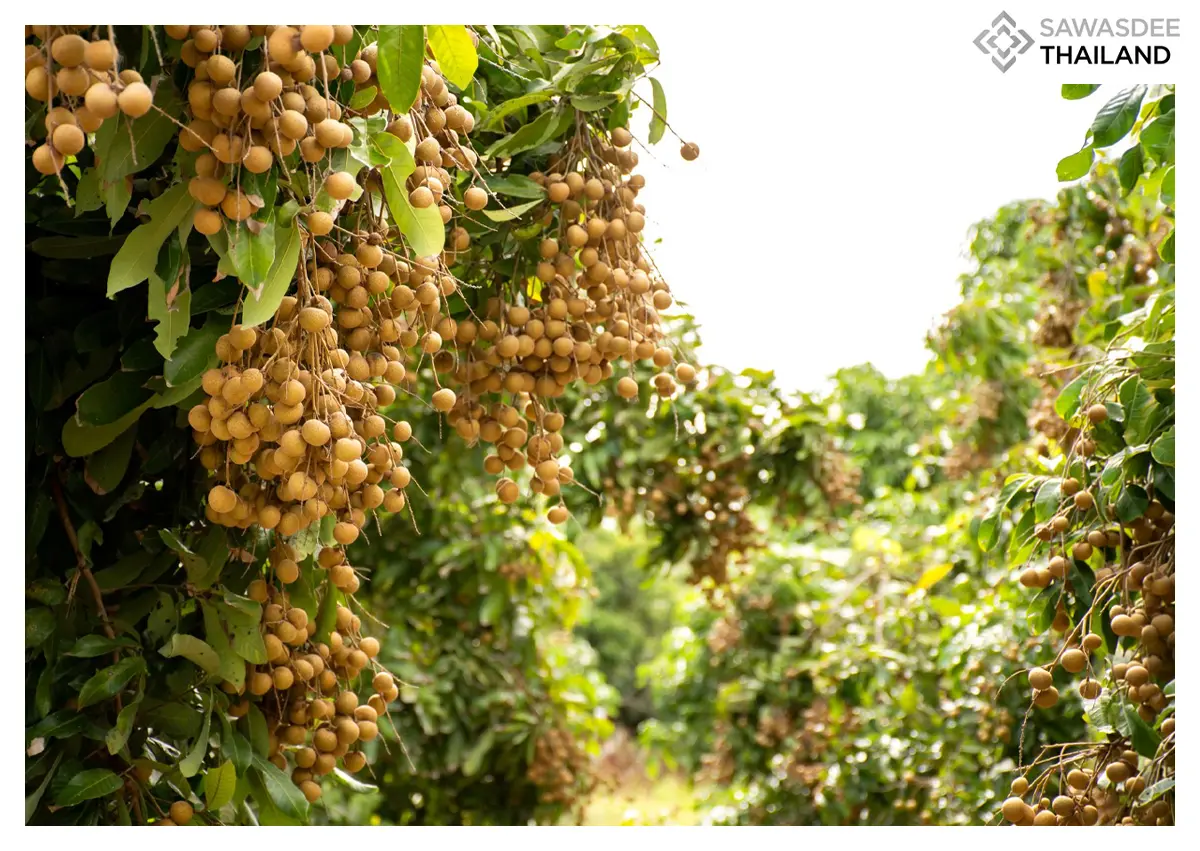
A new post-harvest treatment all but eliminates sulphur dioxide residue in Thai longan while extending shelf life to 21 days, strengthening export prospects in China.
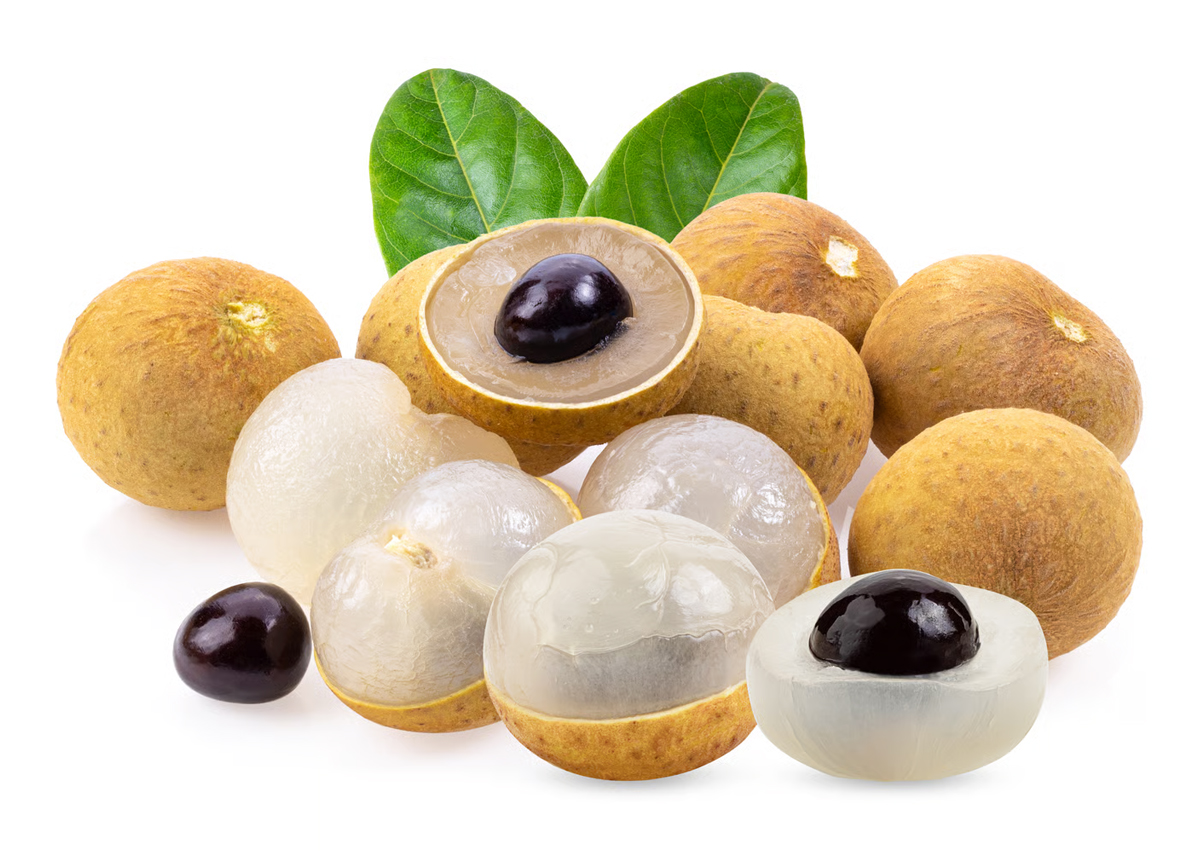
Thai agricultural researchers have developed a post-harvest treatment for fresh longan that nearly eliminates sulphur dioxide residue while extending the fruit's storage life to 21 days, a breakthrough the Ministry of Agriculture and Cooperatives says will help safeguard the crop's access to its most important export market, China.
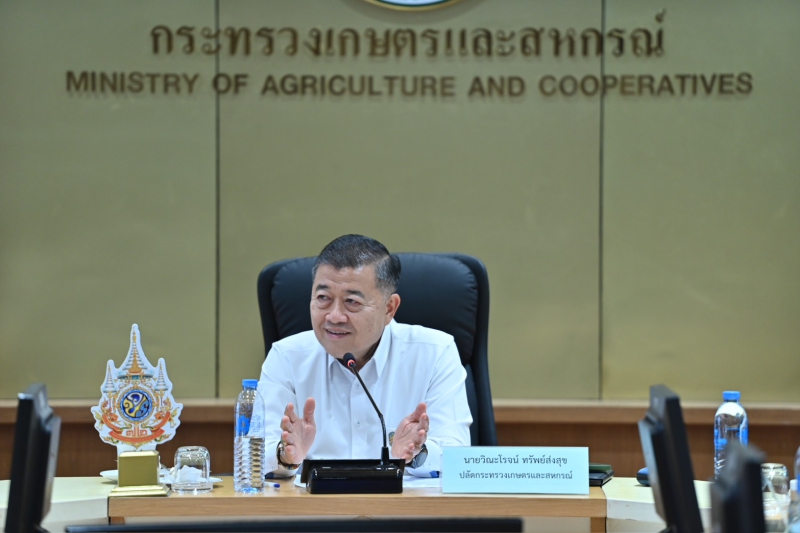
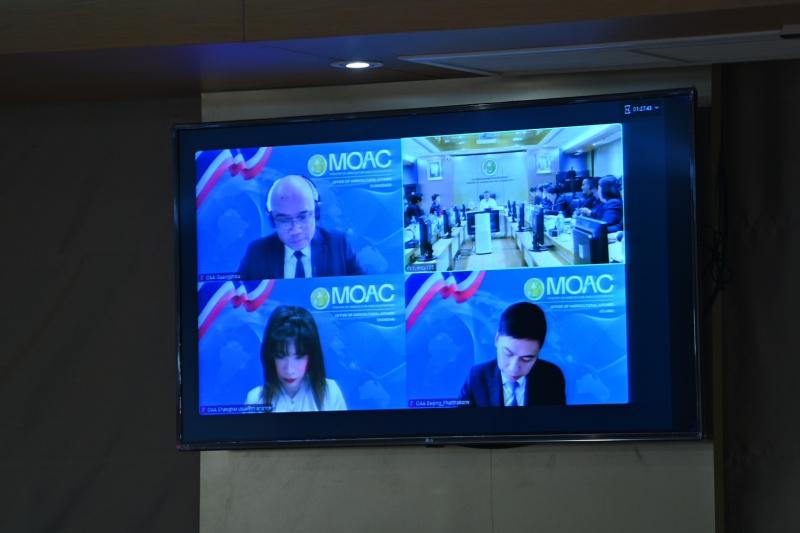
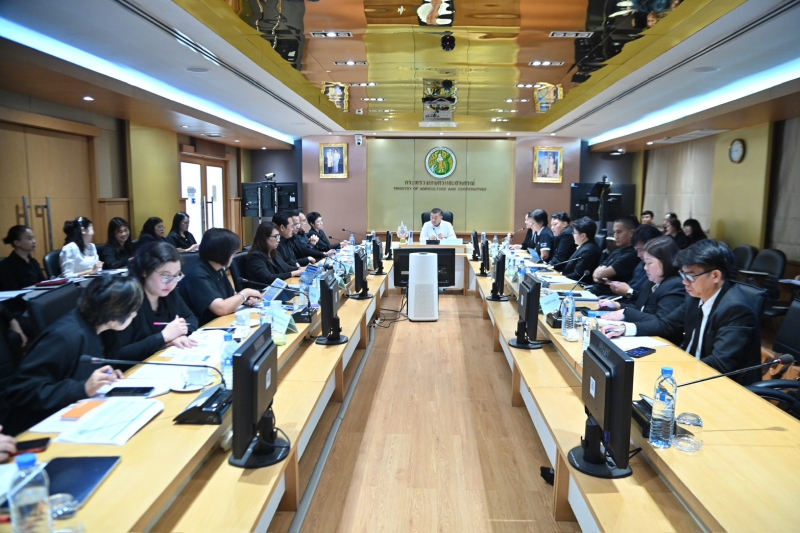
The findings were presented at the second meeting of the ministry's working group on resolving agricultural export issues, chaired by Permanent Secretary Vinaroj Supsongsuk.
The gathering was convened in response to a tightened maximum residue limit recently introduced by Chinese authorities, which now permits no more than 50 milligrams of sulphur dioxide per kilogram — commonly expressed as 50 parts per million — in imported fresh longan.
A Treatment That Nearly Eliminates Residue
The method under review combines a hydrochloric acid soak with sodium metabisulfite treatment, replacing or supplementing the sulphur dioxide fumigation traditionally used to prevent the browning of longan skin during storage and transport.
According to the latest test results presented to the working group, the treatment reduced residue levels to a point so low as to be effectively undetectable, while extending the fruit's cold storage life to 21 days and its display shelf life at point of sale to as long as five days — a marked improvement over conventional treatment methods.
Vinaroj has instructed researchers to continue refining the technique, noting two remaining priorities: reducing production costs, which currently run higher than under the conventional method, and improving the process further to preserve the golden-yellow skin colour that Chinese consumers and buyers particularly favour.
Once these refinements are complete, the ministry intends to present the scientific findings to China's General Administration of Customs (GACC) as the basis for negotiating a jointly agreed standard that would support smoother commercial trade between the two countries.
A Market Worth Protecting
The stakes for Thailand's longan sector are considerable. According to the Office of Agricultural Economics, longan production across eight northern provinces reached approximately 1.06 million tonnes in 2025, an increase of around 12 per cent on the previous year, even as the total planted area contracted slightly as ageing, lower-yielding trees were replaced with other crops. China remains by far the fruit's most important overseas market: customs data cited by Thai trade officials show that fresh longan was China's third-largest Thai fruit import by volume in 2025, at roughly 375,000 tonnes, or around 16.6 per cent of all Thai fruit imports that year, trailing only durian and coconut.
Dried longan added a further 179,000 tonnes, or close to 8 per cent of the total — meaning fresh and dried longan combined accounted for approximately a quarter of all Thai fruit shipped to China by volume, underlining why safeguarding compliance with Chinese residue standards carries such significant commercial weight for Thai growers.
Preparing for a Bumper Harvest
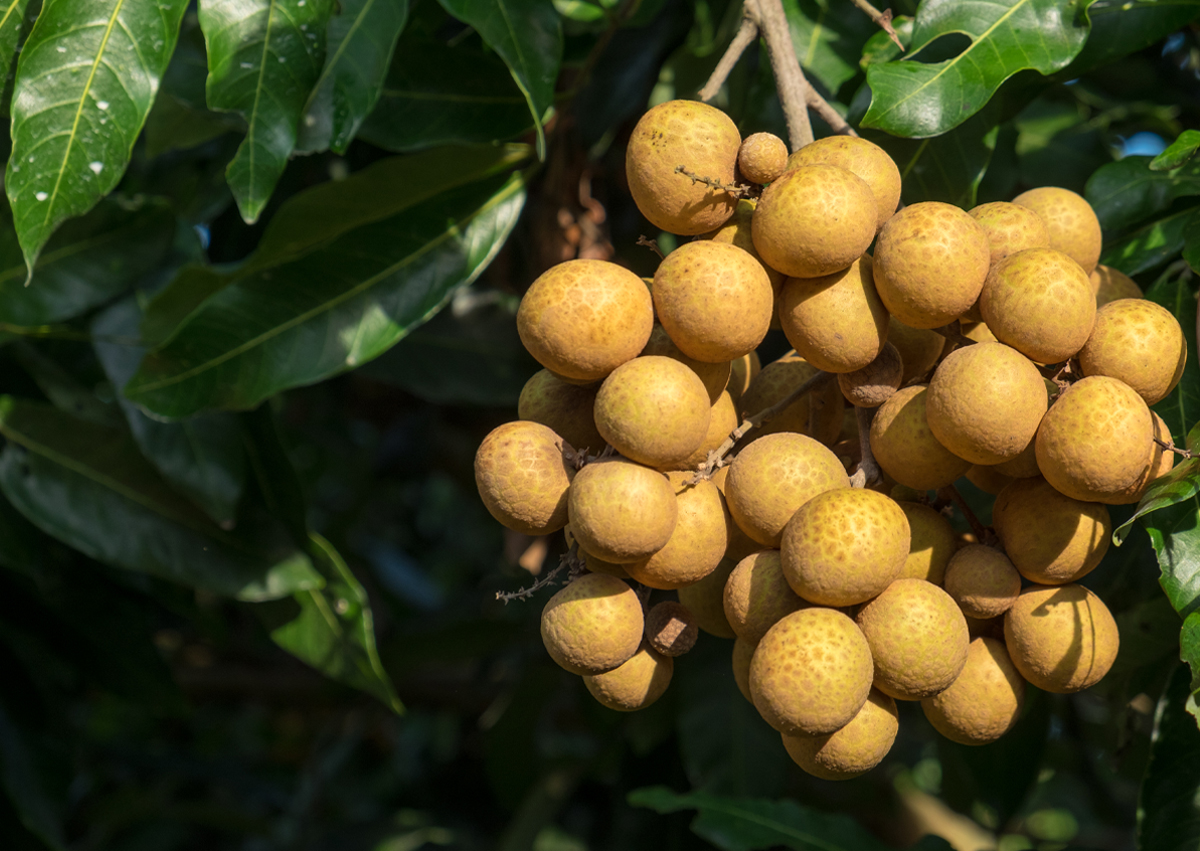
The research comes at a critical moment for Thailand's longan industry. The ministry is preparing for a concentrated harvest from northern growing provinces of more than 500,000 tonnes around the middle of this year, and is working to ensure the crop can move quickly to market without spoiling.
Measures under way include distributing shipments via a new sea route between Laem Chabang and Yantian ports, and improving the speed of inspection and clearance procedures at border checkpoints to prevent produce from being held up and losing quality.
The working group also reviewed the current state of overland logistics for the 2025–2026 season, which relies heavily on the R3A road route through the Mohan border crossing and the Laos–China railway.
Both routes have faced constraints, including fuel shortages in Laos and a limited daily allocation of railway wagons, and the relevant agencies have been tasked with resolving these bottlenecks and expanding railway quota allocations to ease congestion at the Mohan crossing.
Wider Efforts to Protect Thai Fruit Exports
The meeting also addressed quality control for durian, another key fruit export to China, where demand and prices remain strong despite isolated quality issues in the Kradum variety.
The ministry has ordered stricter enforcement across the eastern growing region, including more than 50 pre-harvest inspection points and roadside checks aimed at preventing immature durian and fraudulent use of Good Agricultural Practice (GAP) certification from reaching export channels.
Packing houses found in repeated violation face immediate licence suspension of between 30 and 90 days, with coordination under way to revoke standards certification for serious offenders. Officials have also been instructed to reduce documentation errors that could otherwise cause shipments to be held at the Chinese border.
Significance for Thai Farmers
Taken together, the longan research and the wider export-control measures reflect a coordinated effort by the Ministry of Agriculture and Cooperatives to protect the reputation of Thai fruit in its largest overseas market and to ensure that improvements in food safety translate directly into commercial opportunity.
For longan growers in particular, a scientifically validated treatment that meets China's stricter residue standard — while extending the fruit's saleable life — offers the prospect of steadier prices, reduced post-harvest losses, and a stronger negotiating position as Thailand seeks to formalise new trade standards with Chinese customs authorities.
Location and Contact
01 Jan, 1970 -
01 Jan, 1970
Comment
Related News
Thailand Plugs into the Global AI Hardware Supply Chain with PCB Investments
1970-01-01 - 1970-01-01

Thai Cocoa Steps onto the Premium Global Stage
1970-01-01 - 1970-01-01

Thailand Climbs to 26th in Global Competitiveness Ranking
1970-01-01 - 1970-01-01

Thailand’s TTM+ 2026 Turns Global Deals into Greener Growth
1970-01-01 - 1970-01-01

Sawasdee Thailand Invites You to Join & Win Prizes! 🎉
1970-01-01 - 1970-01-01