Thailand’s Spa Sector Targets Premium Wellness Leadership
Thai Spa Association outlines a five-year JAI strategy to strengthen management, standards, innovation and partnerships across the wellness industry.
The Thai Spa Association (TSPA) has launched a five-year strategy to reinforce Thailand’s position as a premium global wellness destination by improving business performance and creating a more connected industry ecosystem.
Centred on “JAI: The Strategic Soul of Thai Wellness”, the plan uses jai, meaning “heart”, to express Thailand’s approach to wellbeing. It aims to build on the country’s reputation for hospitality by advancing professional standards, research, sustainability and innovation.
Sunai Wachirawarakarn, president of TSPA, said jai connects individual wellbeing with communities and nature. He added that while service quality has helped establish Thailand’s international appeal, stronger management systems will be needed to compete at the highest level.
TSPA plans to evolve from an industry forum into what it calls an “Industry Translation & Implementation Platform”. This role will help businesses convert government policy, professional standards, research, traditional Thai knowledge and commercial opportunities into practical operating tools.
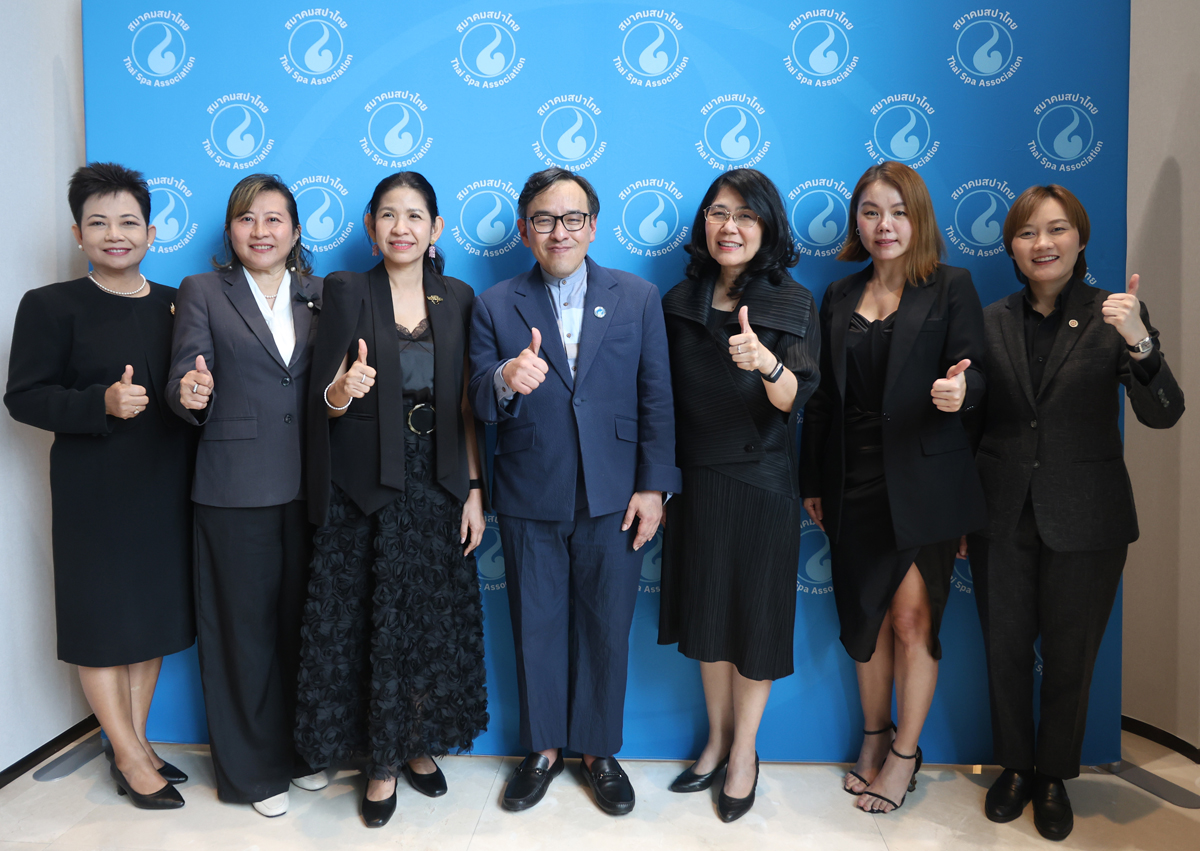
The association will apply its THAI Framework to put the JAI concept into practice:
- Technology: Improve credibility, measurement and innovation.
- Herbs: Connect Thai wisdom with sustainability and responsible wellness.
- Aesthetic: Emphasise culture, design and meaningful experiences.
- Integrative Partnership: Unite government agencies, businesses, academia, financial institutions, operators and communities.
Spa and Wellness Management Excellence is another central priority. TSPA intends to improve managerial skills and establish clearer career pathways towards roles including Spa & Wellness Manager, Wellness Manager and Wellness Director.
Professional development will be supported through Wellness Literacy, THAI CE, WCEU and the Learning Passport. These tools are designed to document continuing education and help practitioners apply wellness knowledge in commercial settings.
The association is working with the Thailand Professional Qualification Institute (TPQI) to align professional qualifications with management competencies. Its academic partnership with the Graduate School of Tourism Management at the National Institute of Development Administration (GSTM NIDA) will support research, management education and industry knowledge.
The strategy also aims to link academic learning with operational needs. Professional education completed through THAI CE and the Learning Passport could contribute towards further study, including a CE-to-Master pathway.
The plan is organised around six pillars:
- Management Excellence, Professional Learning & Career Development: Build managerial capability and create clearer routes for advancement.
- Standards, Trust & Premium Recognition: Improve credibility and sector-wide quality through initiatives such as the Premium Awards programme.
- Thai Wisdom & Soft Power: Promote Thai traditional medicine, herbs and Nuad Thai responsibly, in cooperation with the Department of Thai Traditional and Alternative Medicine (DTAM) and international networks such as the Asia Pacific Spa and Wellness Coalition (APSWC). International events and partnerships will also be used to raise the profile of Thai wellness.
- Sustainability & Quality Tourism: Work with the Tourism Authority of Thailand (TAT) to connect wellness businesses with local value, responsible tourism and the expectations of higher-value travellers.
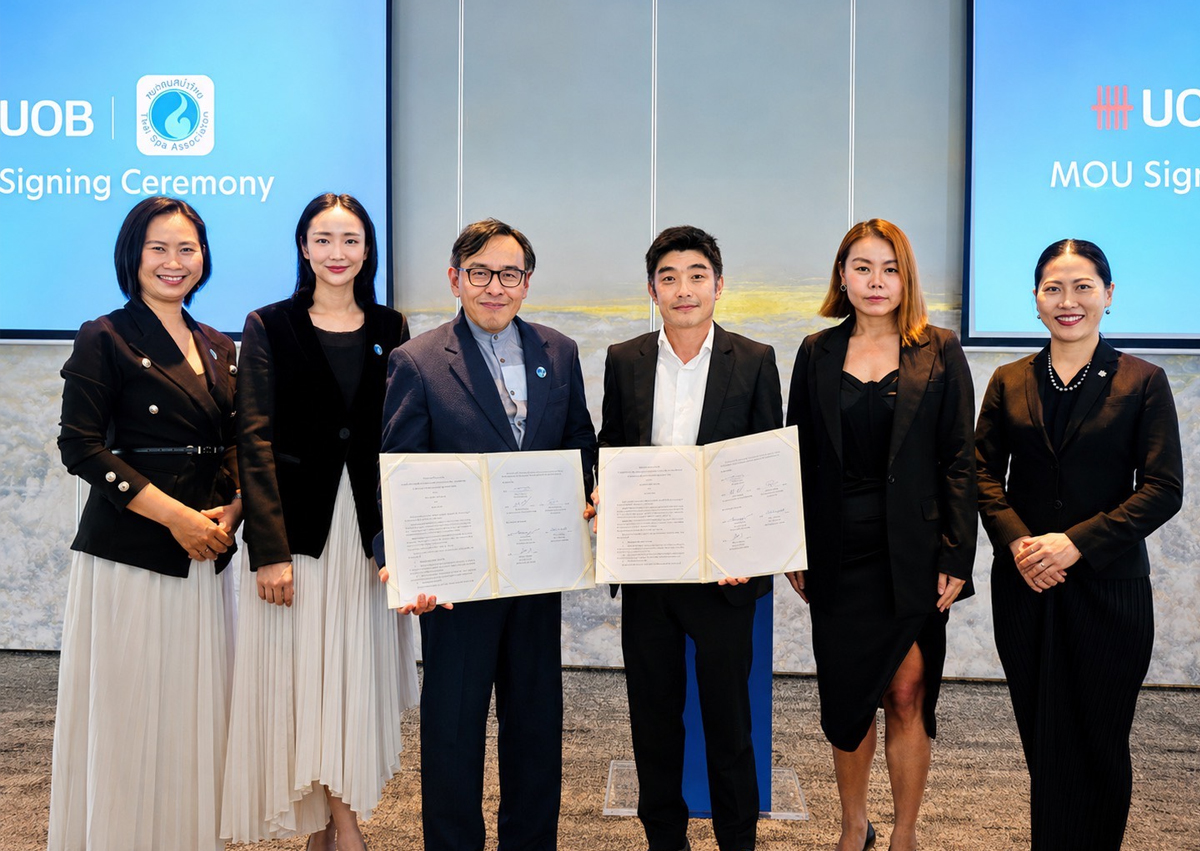
- Capital Access & Business Growth: Partner with UOB Thailand to improve financing, encourage expansion and support entrepreneurs through access to knowledge, technology and sustainability solutions.
- Data, Research & Innovation: Collaborate with GSTM NIDA on research and market intelligence while supporting new Thai wellness innovators and students. Planned activities include a Pitch Practice Session for entrants to the Shark Tank of Wellness 2026 competition.
Phuket will host the 20th Global Wellness Summit from 10 to 13 November 2026, giving Thailand an opportunity to present its wellness expertise to an international audience. TSPA also expects the event to create connections between local operators and global networks.
The strategy is intended to broaden Thailand’s role in the international wellness economy. Alongside its established reputation for skilled practitioners and hospitality, the country aims to develop management expertise, professional systems and recognised standards that can be applied beyond its borders.
Through the JAI strategy, TSPA is positioning Thai wellness as a proposition built on service, cultural knowledge, professional capability and responsible growth.