Thailand Sets Out 15-Year Plan for Greener Production and Consumption

Thailand has launched a 15-year sustainable production and consumption roadmap, led by four accelerators spanning food, circular economy, MSMEs and tourism.
Cities worldwide are on the front line of climate change, but some are turning risk into opportunity through policies that cut pollution, reduce heat and improve public health while delivering clear economic returns.
As urbanisation accelerates, rising temperatures are putting pressure not only on public health but also on incomes, productivity and growth. Even so, some cities are emerging as test beds for practical, cost-effective solutions that can be scaled up.
Thailand’s 15-Year SCP Roadmap Targets Waste, MSMEs and Greener Growth
Thailand has declared a 15-year roadmap for sustainable consumption and production (SCP), setting out four key accelerators to drive the country’s transition towards a greener economy.
The plan puts a strong focus on cutting food waste, embedding Environmental, Social and Governance (ESG) principles into MSMEs, and using the ECOLIFE app to encourage more environmentally friendly lifestyles among Thai consumers.
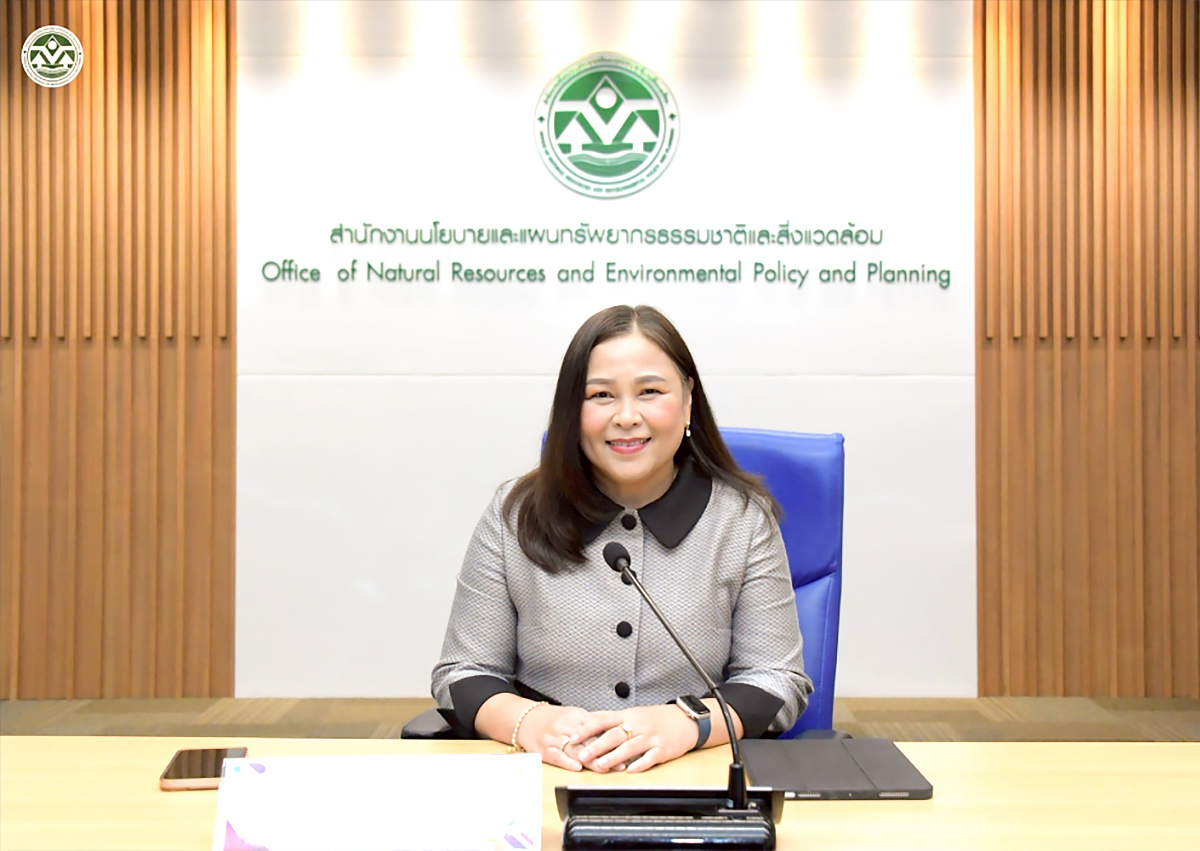
According to the Office of Natural Resources and Environmental Policy and Planning (ONEP), achievements during Phase 1, covering 2024 to 2027, show progress in several major areas, particularly in industry and energy, which remain central to greenhouse gas emissions.
Thailand has already developed 18 areas into eco-industrial towns, cutting water use by more than 4.5 million cubic metres against a long-term target of 27 million cubic metres by 2037.
In the energy sector, carbon dioxide emissions have been reduced by as much as 9.3 million tonnes of CO2 equivalent, reflecting tangible progress in the shift towards renewable energy.
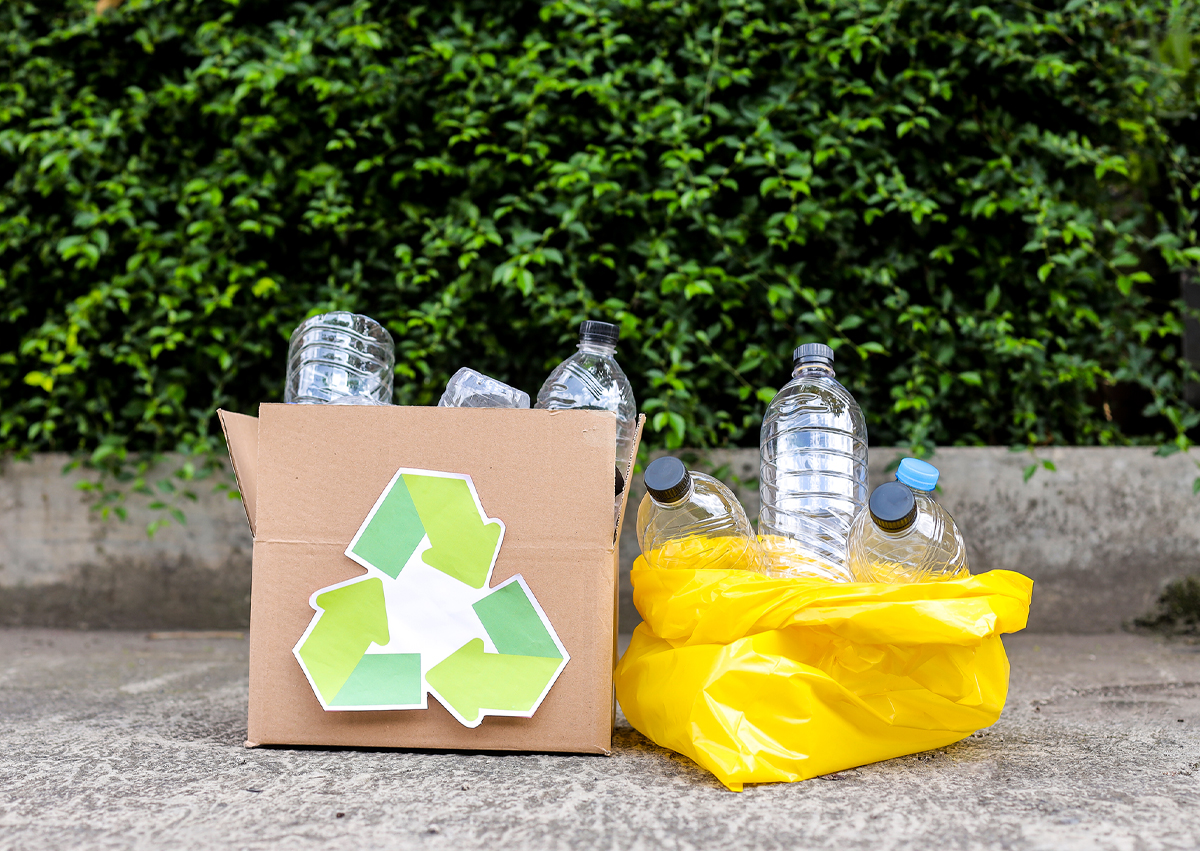
The country has also posted strong gains in waste management. Industrial waste reuse has reached 87%, while 39% of community waste is now being recycled or put back into use, underscoring growing momentum behind the circular economy in practice.
Four Sustainability Accelerators
To help Thailand move firmly into the second and third phases of the roadmap, ONEP has identified four urgent priorities as the main drivers of change. These are a sustainable food system, a circular economy, ESG for MSMEs and sustainable tourism.
The sustainable food system pillar aims to build a safe food chain from farm to table. The circular economy agenda focuses on maximising waste efficiency through better resource use.
ESG for MSMEs is intended to unlock the potential of small businesses, seen as the backbone of the economy, so they can meet international sustainability standards.
Sustainable tourism, meanwhile, is being advanced through cooperation with the German Agency for International Cooperation (GIZ) to raise tourism standards without damaging ecosystems.
Among the standout quick-win projects is Stop Food Waste, which brings together 15 partners and major shopping centre operators including Siam Piwat, Central, The Mall and Seacon to reduce food waste in malls.
Another flagship initiative is the ECOLIFE application, designed to make environmentally responsible behaviour more engaging by encouraging young people and the wider public to adopt greener lifestyles through campaigns such as “Sustainable Eating”.
ONEP is also promoting an MSME Sustainability Report platform tailored specifically for smaller firms, giving Thai MSMEs a better chance of competing in global markets where sustainability standards are becoming increasingly important.
Three Pillars for the Next Phase
ONEP said the next stage will focus on three main strategies: data integration to ensure that results can be measured properly, expanding cooperation at local level, and mainstreaming sustainability into broader economic development policy.
The office reaffirmed its role as a coordinating hub to support cooperation across government, business and the public. Sustainability, it said, should not be seen as the burden of any one sector, but as a shared opportunity to build a more secure future for Thailand.
“These goals cannot be achieved by any single agency alone. They require everyone to move together in the same direction,” said Kanda Chookaew, deputy secretary-general of ONEP.
Four Lessons from Leaders in Climate Resilience and Urban Health
Four global case studies show that climate resilience investment can deliver strong returns at relatively low cost.
In London, low- and ultra-low-emission zones cut highly polluting vehicles and reduced emergency admissions, while generating more than US$49 million a year in health and productivity benefits.
Philadelphia’s Green City, Clean Waters programme manages 3 billion gallons of stormwater annually, cools streets, cuts pollution and has helped raise nearby property values.
Ahmedabad’s low-cost Heat Action Plan reduced heat-related deaths by about 25% through measures such as reflective roofs, drinking water points, shaded rest areas and SMS alerts.
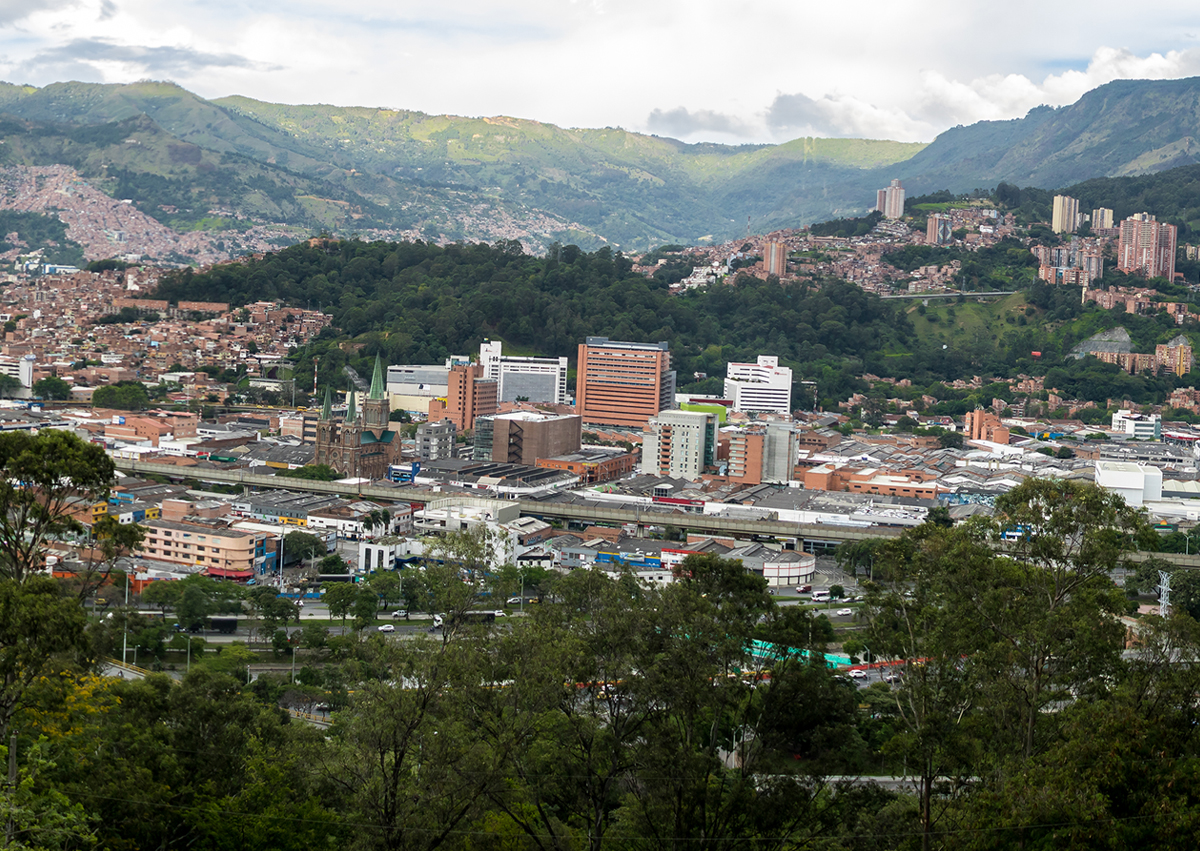
Meanwhile, Medellín’s Green Corridors lowered temperatures, cut air pollution and reduced respiratory infections with a modest investment of just US$16.3 million.