Smart Transit, Smarter City: Bangkok’s Digital Street-Level Revolution
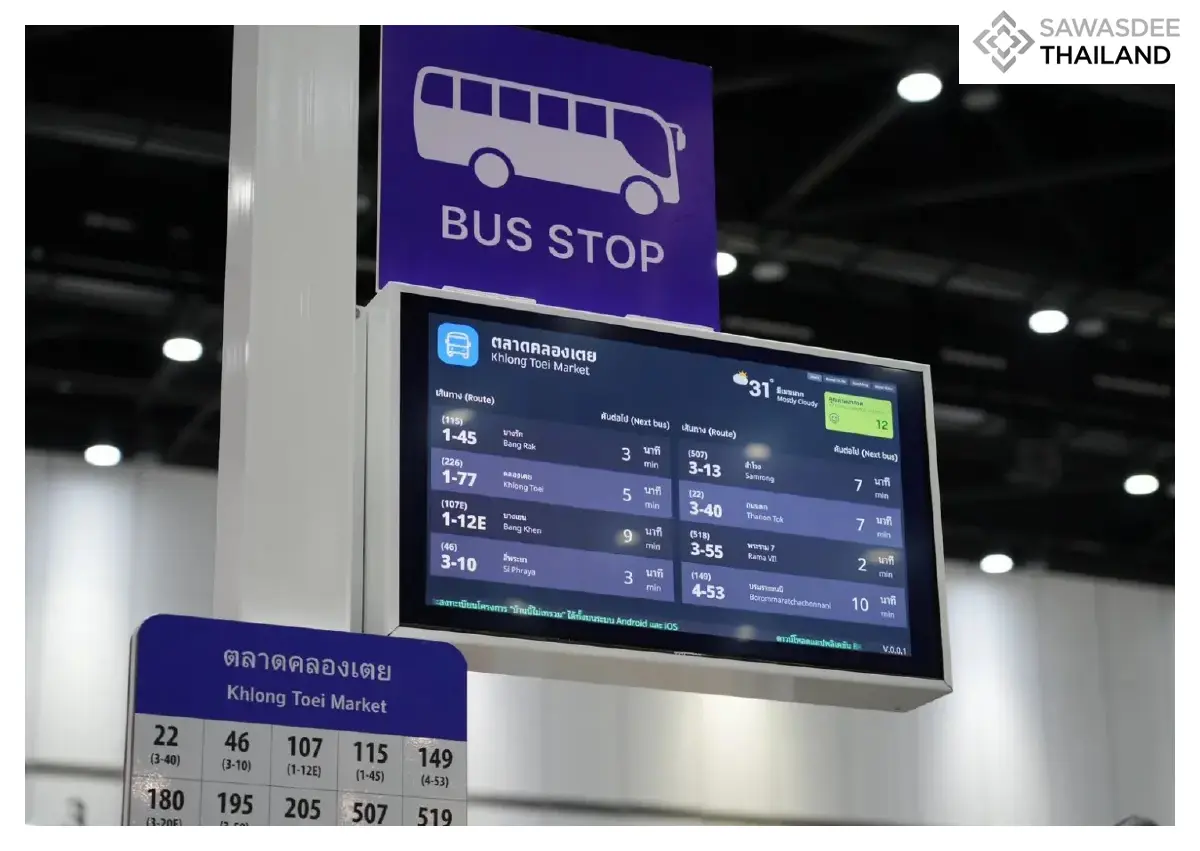
Bangkok is transforming 1,100 bus stops into smart hubs with real-time GPS and digital walking maps, redefining urban mobility by May 2026.
The New Urban Pulse
Bangkok is currently orchestrating a masterclass in metropolitan resilience. As any seasoned urbanist understands, infrastructure is the silent heartbeat of a global capital, and the Bangkok Metropolitan Administration (BMA) is moving to ensure that heart beats with algorithmic precision.
According to BMA spokesperson Aekvarunyoo Amrapala, the city is embarking on a sophisticated digital renaissance, transitioning the humble bus stop from a site of transit-induced anxiety into a streamlined node of ubiquitous computing. This initiative to renovate 1,100 stops is not merely a utility upgrade; it is a strategic signal of Thailand’s "Smart City" leadership, designed to foster a frictionless urban experience. The brilliance of the project lies in its commitment to "street-level" innovation, ensuring that the benefits of high-end tech are woven directly into the city’s daily rhythm.
The 1,100 Project: A Dual-Modernisation Strategy
The BMA has identified 1,100 high-priority sites within its 5,199-stop network for this transformation, targeting the high-density business districts and tourism centres where legibility is paramount. While the full programme reaches fruition in 2026, the public will begin to feel this new "digital pulse" as early as this May. The rollout utilises a two-tier architectural strategy that addresses both the physical and the virtual needs of the modern commuter.
| Commuter Interface | The Renovated Model (600 units) | The Digital Smart Stop (500 units) |
| Functional Focus | Physical clarity and route detailing. | Algorithmic precision and real-time tracking. |
| Data Provision | 30+ landmark indicators via 'Walking Maps'. | Live GPS displays and arrival countdowns. |
| Urban Context | Integrated into high-density conurbations. | Ubiquitous computing as an upgrade to the physical base. |
The transition from "estimated" to "real-time" arrivals is a psychological catalyst for the city. By replacing the guesswork of waiting with data-driven certainty, the BMA is fundamentally altering the commuter’s relationship with the street. Yet, the hardware of the digital stop is only as effective as the information it conveys; the project’s true genius lies in its commitment to human-scale legibility.
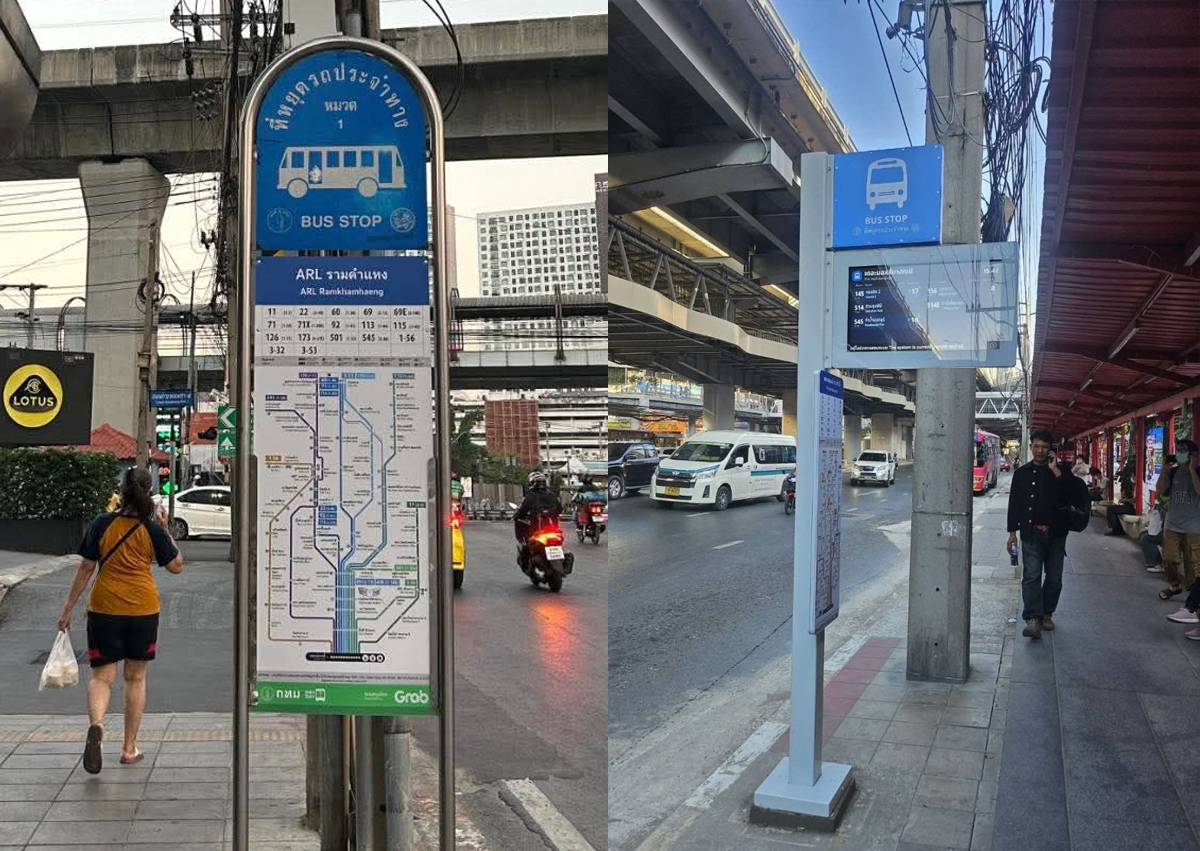
Human-Centric Design: Beyond the Timetable
Urban legibility—the ease with which one can navigate a sprawling metropolis—is a hallmark of a truly global city. For Bangkok, this project represents a shift toward a more navigable, "readable" palette for both residents and international visitors.
- The Walking Map: Each stop features an integrated map identifying over 30 local landmarks. This encourages the "health and vitality of the pavement economy" by solving the last-mile navigation riddle, allowing tourists to feel like locals the moment they step off the bus.
- Contextualised Aesthetics: Recognising the diverse textures of Bangkok’s urban fabric, designs are adapted to specific contexts—optimising space in high-density commercial zones while maintaining a consistent visual language.
- Synergistic Integration: Beyond the physical stop, the system is designed for future integration with mobile navigation applications, creating a seamless digital journey from the first step to the final destination.
This human-centric approach moves the needle from simple transportation to a cohesive urban experience, fueled by a unique collaborative ecosystem.
The Power of Partnership: A Synergistic Ecosystem
Modern infrastructure of this scale requires more than just government mandate; it requires a synergistic multi-sectoral approach. This project stands as the gold standard for public-private partnerships in the region.
- BMA & Mayday: This collaboration marries governance with design clarity, ensuring that the information architecture is as elegant as it is functional.
- Grab: As the private sector technological anchor, Grab provides the granular, real-time GPS movement data that supplements the data points where traditional infrastructure faces inherent limitations, making it the "gold standard" for transit tracking.
- Tourism Authority of Thailand (TAT): TAT’s budgetary support represents a strategic pivot; they are no longer just marketing "Amazing Thailand," but positioning the capital as a premier hub for digital nomads where the infrastructure finally matches the global hype.
This synergy ensures that these 1,100 nodes are not isolated improvements but part of a wider, cohesive movement.
The Broader Horizon: Bangkok’s Smart Traffic Evolution
The bus stop revolution is a pivotal chapter in Bangkok’s wider narrative of algorithmic urbanism. It fits perfectly into a suite of traffic management successes that are currently modernising the capital’s arteries.
- AI-Controlled Traffic Lights: Smart sensors are being deployed at major intersections to monitor vehicle density in real-time, allowing AI to dynamically adjust light timings and dissolve bottlenecks before they form.
- Smart Signage: A city-wide expansion of digital overhead displays now provides motorists with real-time traffic alerts, ensuring that data is accessible across every tier of the transport
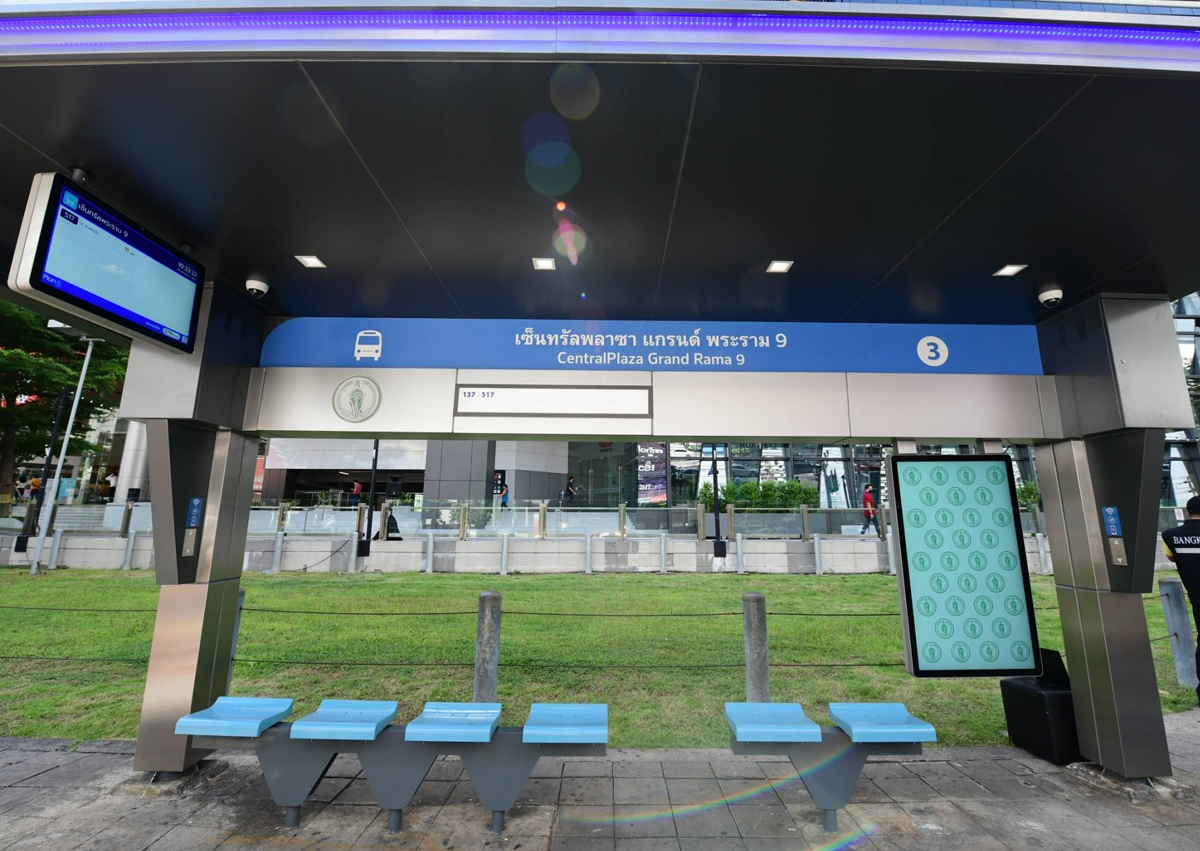
A Seamless Future
As Bangkok prepares for a major digital turning point with the full completion of this project in 2026, the city is shedding its reputation for transit guesswork. The immediate visibility of these hubs this May marks the start of an era defined by digital certainty. By investing in the street-level experience, the BMA is doing more than improving bus routes; it is enhancing the very texture of metropolitan life. Thailand’s trajectory is clear: it is sculpting a future where technology and humanity move in a frictionless, synergistic harmony, cementing Bangkok's status as a world-class destination for tech-enabled living.