Lumpini Park's Aerobics Scene: Bangkok's Outdoor Fitness Phenomenon Goes Viral
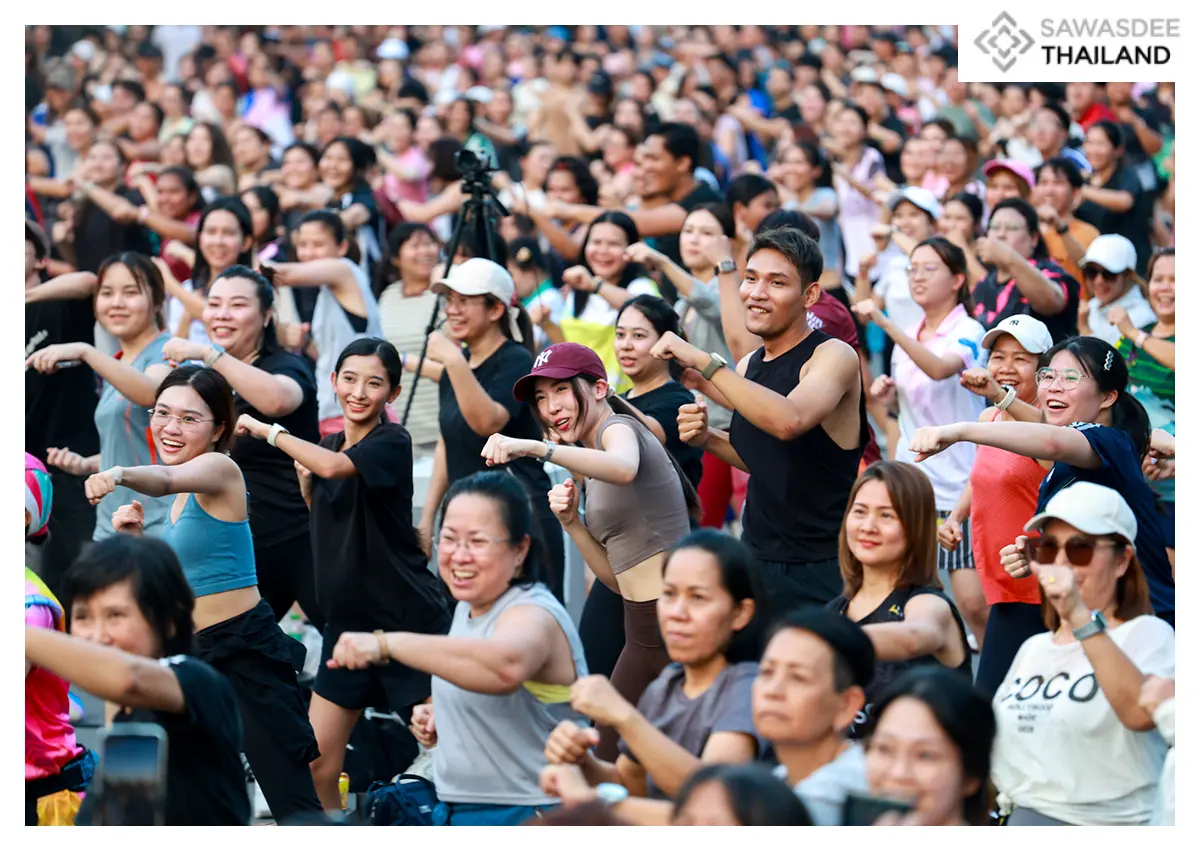
What began as a neighbourhood exercise ritual has evolved into one of Bangkok's most talked-about social destinations, drawing Thais and tourists alike to its open-air dancefloor every evening.
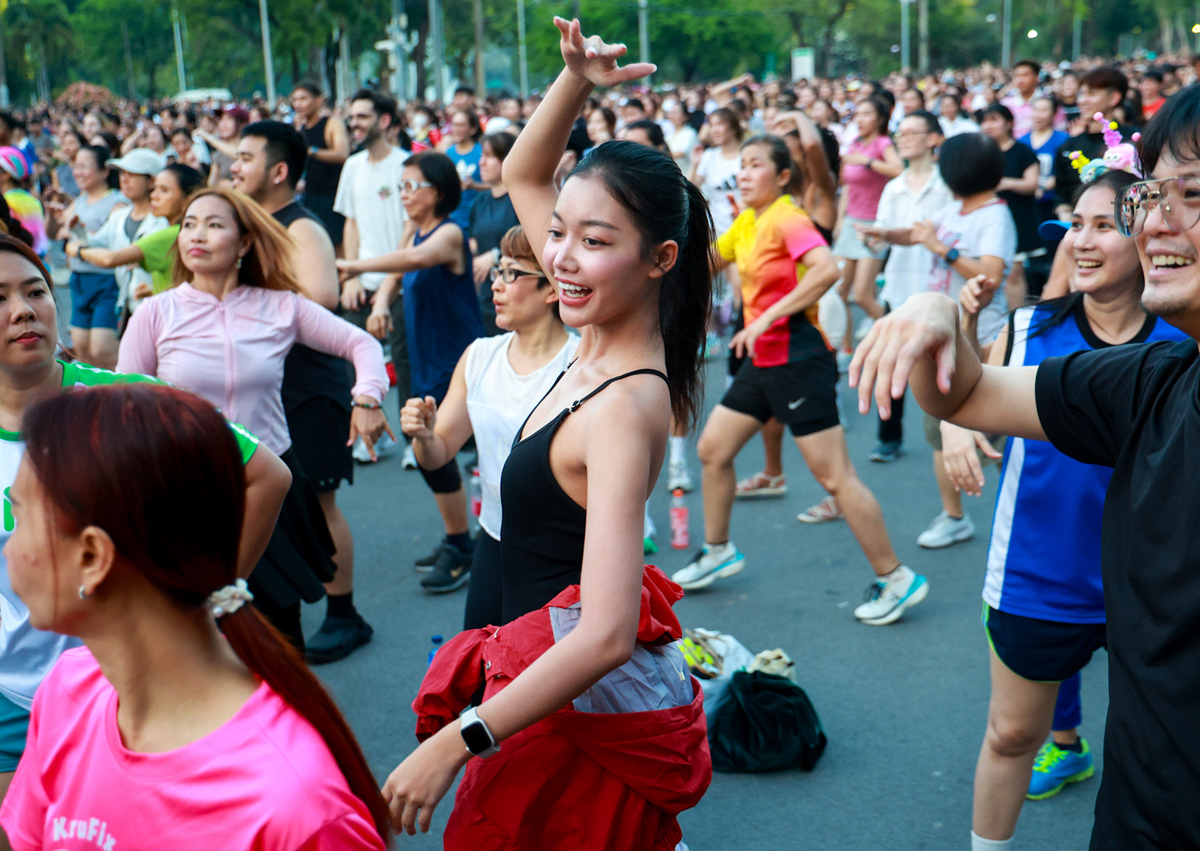
As the sun dips below Bangkok's skyline each evening, something remarkable unfolds along the eastern edge of Lumpini Park. Hundreds of people — teenagers, office workers, retirees, and curious foreign visitors — gather on the open-air plaza near the MRT Silom station entrance, moving in unison to pulsating music beneath purpose-installed lighting rigs. What was once a quiet corner of the city's most beloved green space has become one of Bangkok's most unexpected viral sensations.
The Lumpini aerobics plaza has taken social media by storm in recent months, appearing daily across TikTok, Instagram, and Facebook feeds. The secret to its appeal lies not merely in the exercise itself, but in an atmosphere that one might describe as part outdoor fitness class, part street festival. Upgraded sound systems and dynamic lighting have transformed the experience entirely — making it as compelling to film as it is to join.
Getting There
Lumpini Park is well served by Bangkok's public transport network, making it highly accessible for both residents and visitors.
Those travelling by BTS Skytrain should alight at Sala Daeng station and take Exit 5, which leads towards Silom Complex. From there, follow the signage along the walkway in the direction of MRT Silom station — the aerobics plaza lies along the same route. Upon reaching street level, simply cross at the pedestrian crossing to enter Lumpini Park.
Travellers using the MRT should board to Silom station and use Exit 1, which brings passengers to the same Sala Daeng intersection. The park entrance is directly across the pedestrian crossing.
For those preferring bus travel, numerous routes serve the park via Ratchadamri Road, Silom Road, and Rama IV Road. The ViaBus application covers BMTA public bus routes, while the TSB GO Plus app lists routes operated by private air-conditioned blue buses — using both is recommended for comprehensive journey planning.
Bangkok's New Soft Power
Beyond fitness trends, what is unfolding each evening at Lumpini Park speaks to something broader about the character of contemporary Bangkok. The plaza has become a rare kind of urban space — free, inclusive, and genuinely joyful — where age, nationality, and fitness level are irrelevant. In a city that rarely slows down, it offers something quietly radical: an invitation to simply move, breathe, and be present alongside others.
As fitness culture shifts away from the isolation of private gyms and towards shared outdoor experiences, Lumpini's aerobics scene may well represent the most sustainable form of urban wellness there is — and, perhaps, a new chapter in Bangkok's identity as a city that knows how to have fun.

When and Where to Join
The main energy center is located at the plaza near the King Rama VI Statue (MRT Silom Exit 1), but the phenomenon isn’t contained to just one area. For those exploring deeper into Lumpini Park, multiple secondary aerobics and dance spots can be found scattered across different pavilions and lakeside plazas, each offering its own unique playlist and community vibe.
Sessions across the park kick off daily in the late afternoon as the heat subsides. The primary, high-energy viral sessions take place every evening from 5:00 PM to 7:00 PM, making it easy for office workers to drop by right after work.
More Than Just Calories
Part of what makes the Lumpini aerobics plaza so compelling is that it offers benefits that extend well beyond physical fitness. Participants do not need prior dance experience — the choreography is designed to be accessible, energetic, and above all, enjoyable. The movements engage cardiovascular endurance, muscular strength, flexibility, and even cognitive function, as dancers must memorise sequences and coordinate movement with rhythm.
Crucially, research has consistently linked dance-based exercise to meaningful reductions in stress hormones and improvements in mood. The social dimension amplifies this effect considerably. The plaza functions as an informal community, a gathering point where strangers become temporary teammates, sharing energy and releasing the pressures of city life. It is this quality — the sense of collective joy — that many observers believe lies behind the space's viral appeal.
A Word of Caution for Newcomers
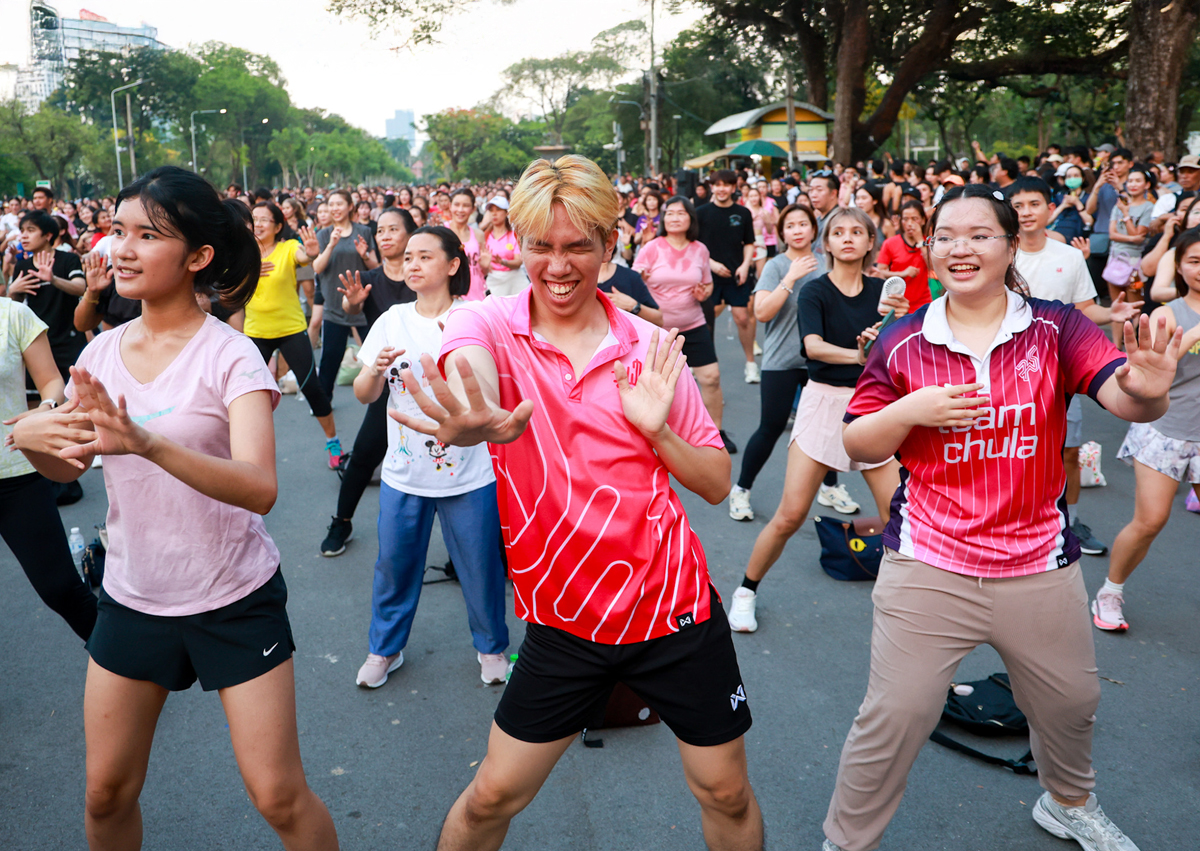
Despite its reputation as a light, breezy activity, aerobic dance is classified as high-intensity exercise and carries a degree of impact risk, particularly to the knees, ankles, and lower back. Repetitive jumping, lateral movements, and twisting motions can cause strain if performed with incorrect form or without proper preparation.
Those joining for the first time are advised to warm up and cool down for at least five to ten minutes, choose footwear with adequate lateral support and shock absorption, and listen carefully to their bodies — particularly if they have pre-existing joint conditions or previous injuries. Beginners would do well to start at a moderate pace before building intensity across multiple sessions.
A Global Tradition with Enduring Appeal
Aerobic dance is far from a new invention. Its roots stretch back to the 1950s, when American television personality Jack LaLanne first introduced the concept of exercising in front of a screen. The term "aerobics" itself was formalised in the 1960s by exercise physiologist Kenneth H. Cooper as a method of cardiovascular disease prevention, before dancer and instructor Jacki Sorensen adapted it into a dance-based format set to music.
The 1970s and 1980s saw the rise of Jazzercise and Step Aerobics, broadening the format's appeal to those with no formal dance training. Then came Zumba in the early 2000s — a Latin-infused dance fitness programme that spread to over 180 countries and brought group aerobics firmly into mainstream global culture.
What has remained constant across all these iterations is the fundamental premise: moving the body to music in a way that raises the heart rate without feeling like a conventional workout.