Thailand Unveils Four-Pillar Reform to Transform Public Procurement into an Economic Engine
From digital integration to green purchasing, Bangkok is repositioning state procurement as a strategic lever for growth — with SMEs, startups and sustainability at its core.
Thailand is seeking to transform its public procurement system into a key economic policy tool, using state spending to support SMEs, innovation and green development.
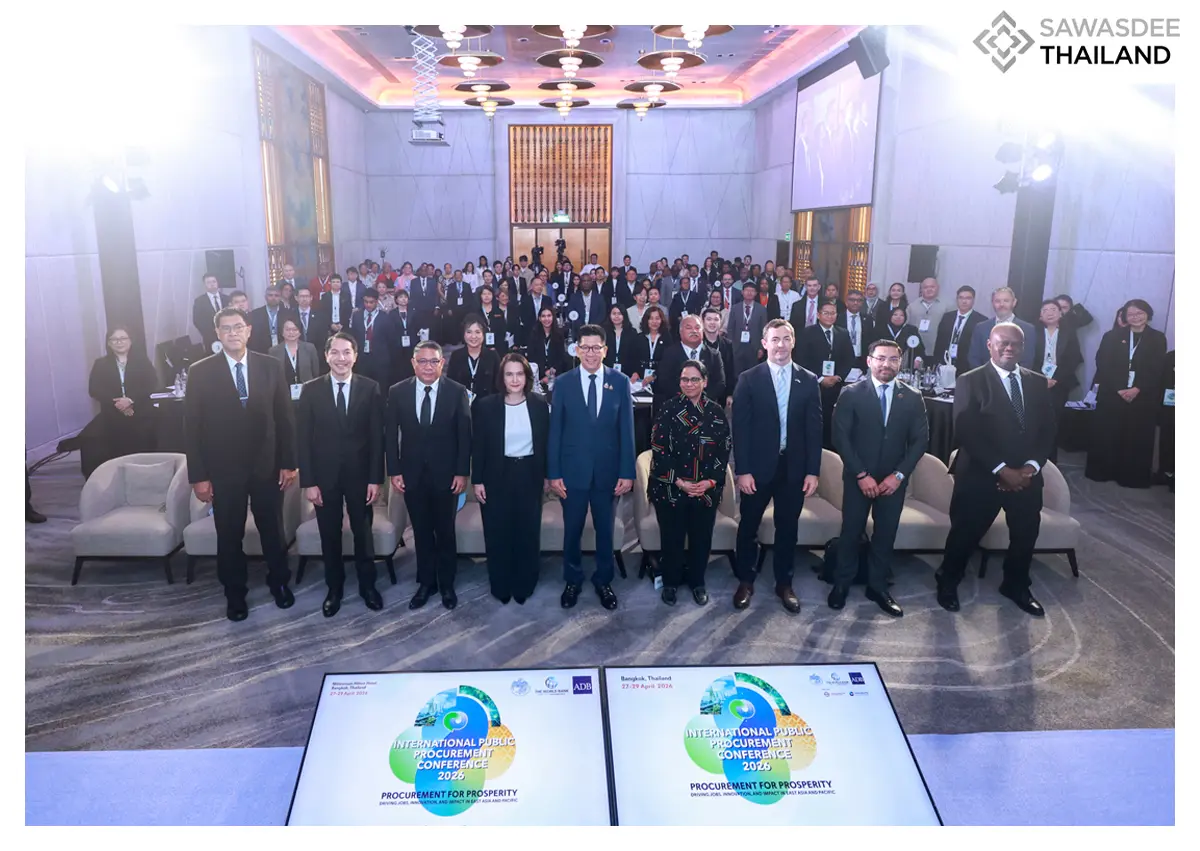
Deputy Prime Minister and Finance Minister Eaknithi Nitithanprapas outlined the vision on 27th April at the International Public Procurement Conference 2026, where he described procurement as occupying a far larger economic footprint than is commonly appreciated.
In some countries, he noted, public procurement accounts for between 10 and 20 per cent of GDP — a scale that makes it, in his words, one of the most powerful policy tools a government can deploy. Thailand intends to use it as exactly that.
The Comptroller General's Department, which oversees the country's procurement framework, received recognition at the conference as a regional model, with its systems cited as a benchmark for countries across Asia-Pacific.
The Four Pillars
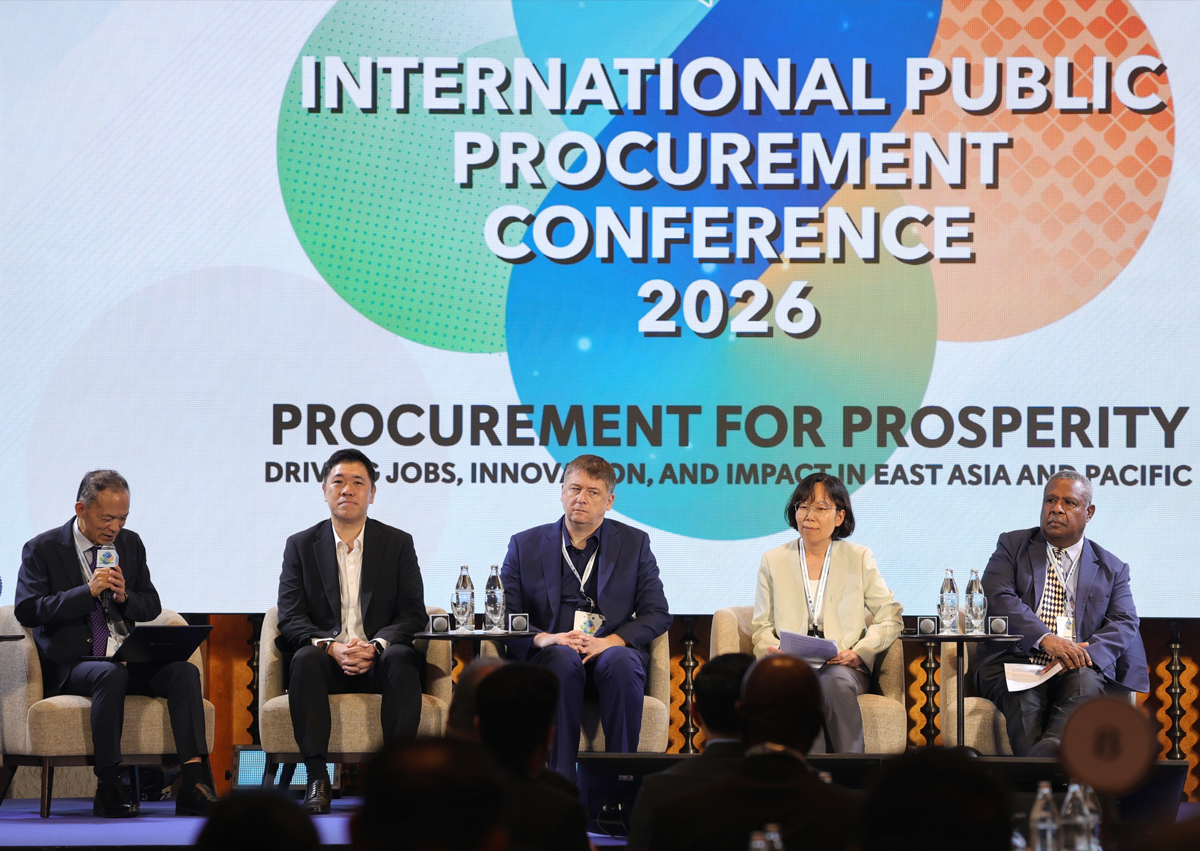
The reform agenda is structured around four strategic dimensions.
The first is digital transformation. The government's electronic procurement platform, known as e-GP, will serve as the central hub, with a new policy linking it directly to the banking system. The aim is to enable SMEs and social enterprises (SEs) that supply goods and services to government agencies to access financing and credit more easily — removing one of the most persistent barriers to smaller businesses competing for public contracts.
The second pillar is green procurement. The government is committing to embedding environmental criteria into public purchasing decisions, responding to global sustainability trends whilst also addressing the practical challenge of managing costs during the current period of elevated energy prices. The initiative is designed to generate domestic demand for environmentally friendly products and reduce the country's long-term expenditure on energy-intensive goods and services.
The third pillar is innovation. Thai startups will be given dedicated pathways through the procurement system to access public-sector market opportunities — a deliberate effort to use government spending as a catalyst for the domestic innovation ecosystem rather than defaulting to established suppliers.
The fourth pillar focuses on competitive advantage for Thai businesses. SMEs and social enterprises will receive preferential treatment — commonly referred to in Thai policy discourse as "bonus points" — to strengthen their position in public tenders. Alongside this, the government is advancing an open data initiative that will make Comptroller General's Department procurement records publicly accessible, increasing transparency and enabling independent scrutiny. A contractor grading system is also under development to raise accountability standards and improve the quality and speed of project delivery.
Value Over Price
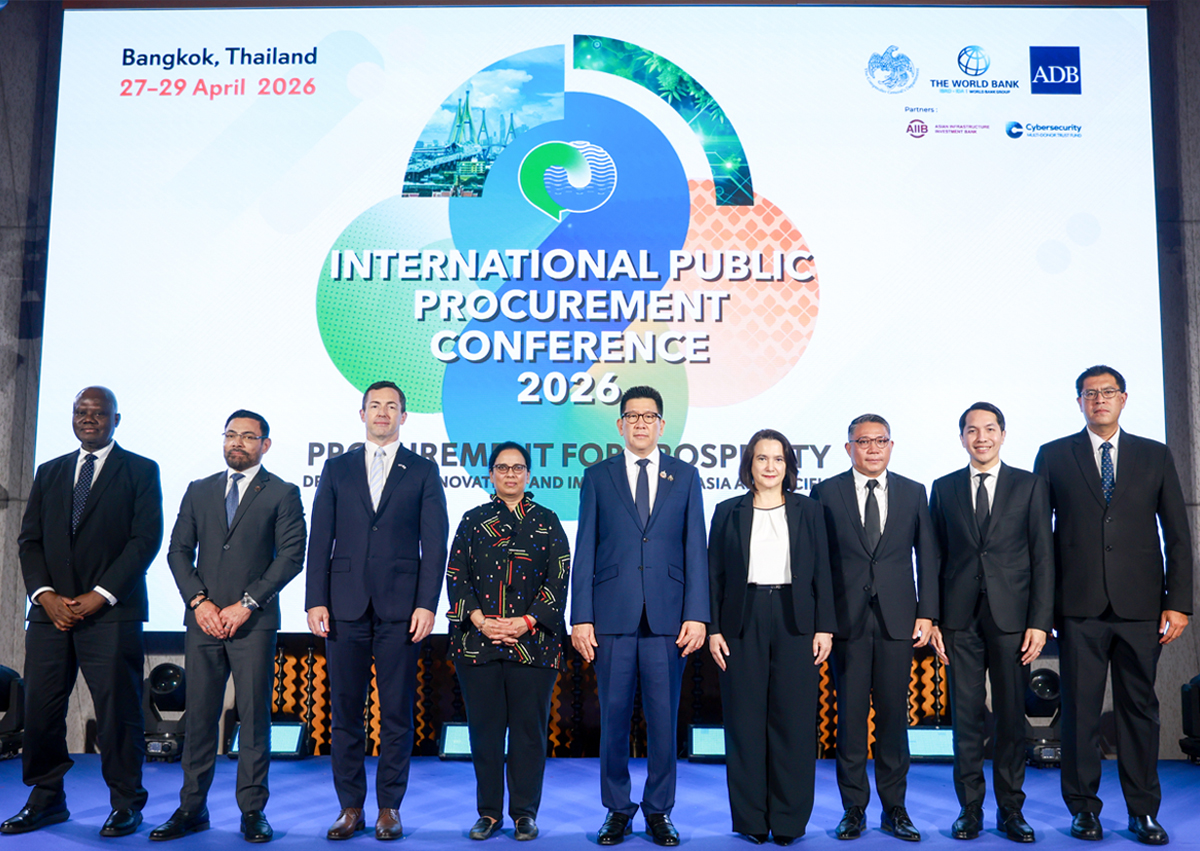
Minister Eaknithi was emphatic that the underlying philosophy of the reform marks a departure from conventional procurement thinking. Modern public procurement, he argued, must prioritise creating value — economic, social and environmental — rather than simply minimising expenditure. He also called for deeper international collaboration, observing that no country can develop a world-class procurement system in isolation.
The Comptroller General's Perspective
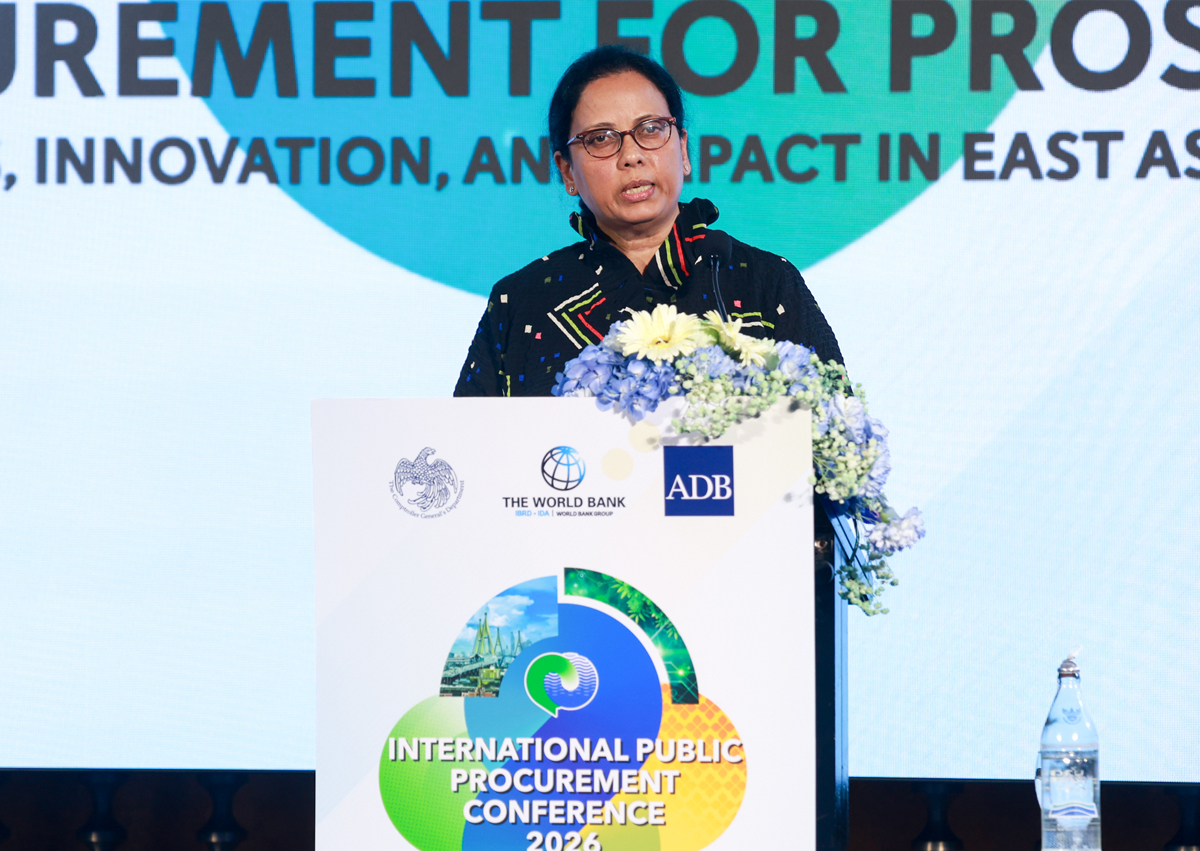
Comptroller General Patricia Mongkolvanich elaborated on the operational dimensions of the reform. She confirmed that public procurement currently represents 10 per cent of Thailand's GDP, and set out a five-year target to bring the country's procurement standards fully in line with international benchmarks through comprehensive digital transformation.
Her priorities include accelerating legal reform to make procurement more efficient, transparent and auditable; expanding support for SMEs and domestically produced goods under a "Made in Thailand" policy; and advancing green procurement to stimulate demand for sustainable products. The department is also advancing two transparency initiatives — the Infrastructure Transparency Initiative (CoST) and an Integrity Pact programme — to deepen public disclosure of procurement data and strengthen anti-corruption safeguards.
Alignment with Government Policy
The reforms align directly with the broader policy agenda of Prime Minister Anutin Charnvirakul's administration, which has committed explicitly to procurement transparency as a pillar of governance. The government's wider procurement-related pledges include amending procurement legislation to prioritise value for money over lowest-price tendering; requiring that defence acquisitions meet transparency and accountability standards; accelerating the government's digital transformation and open data agenda to reduce discretionary decision-making susceptible to corruption; reforming licensing and approval processes in line with OECD principles; and embedding procurement policy as a tool for advancing Thailand's transition to a low-carbon economy.
The government has also signalled its intention to redirect any undisbursed procurement budgets into economic stimulus measures, ensuring that unspent public funds are actively deployed rather than allowed to lapse.
Taken together, the reforms represent one of the most comprehensive rethinking of Thailand's public procurement architecture in recent years — one that seeks to transform a bureaucratic function into a forward-looking instrument of national economic strategy.